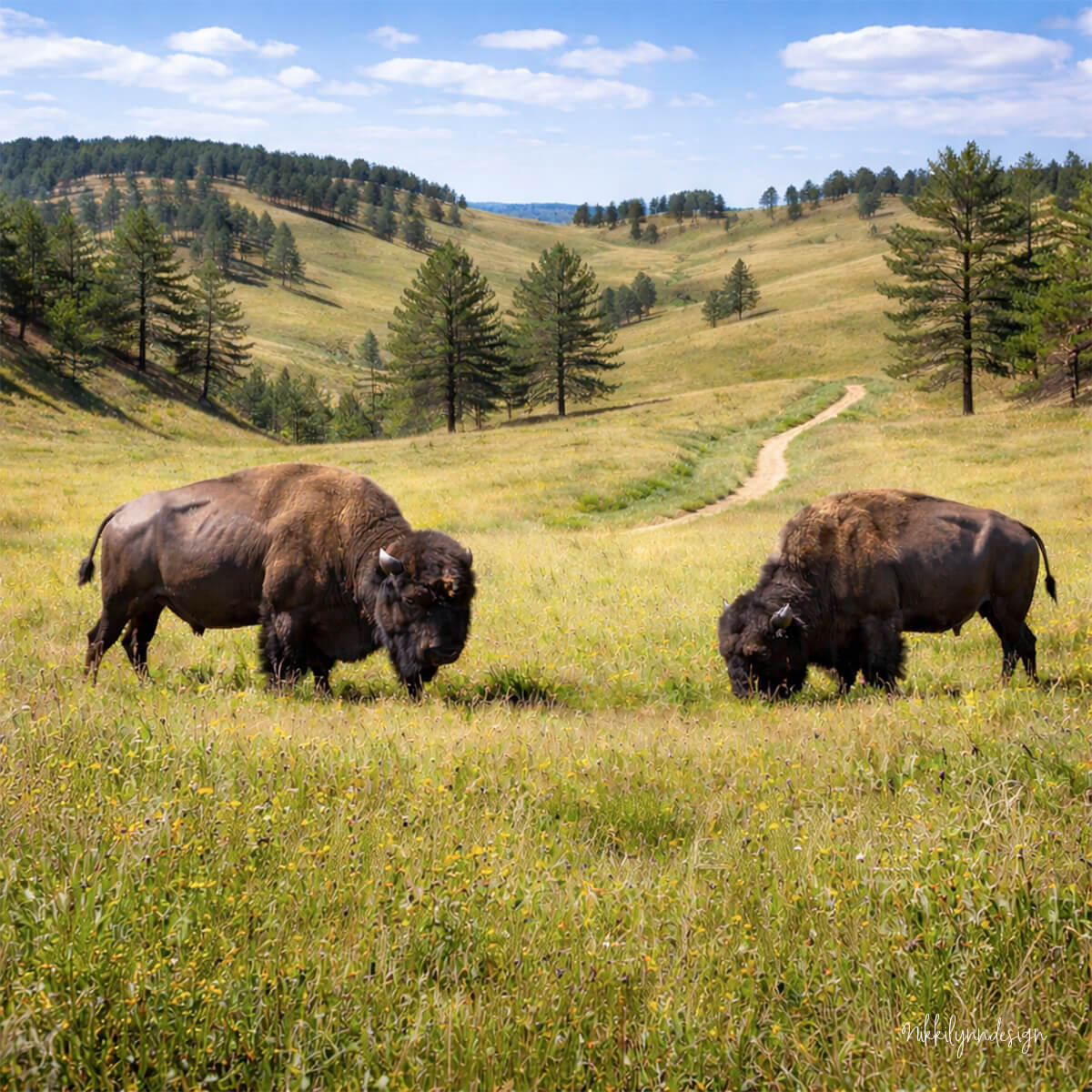
Wind Cave National Park in South Dakota offers a very different side of the Black Hills. While many visitors come for the cave itself, the park also protects rolling prairie, ponderosa pine forest, prairie dog towns, bison, elk, and scenic drives that make it worth exploring above ground too.
If you are already visiting nearby Custer State Park, Wind Cave National Park makes an easy and worthwhile addition to your Black Hills itinerary. Between cave tours, wildlife viewing, and open grassland scenery, this park offers a quieter but equally memorable experience.
Wind Cave National Park Visitor Guide
| Location | Wind Cave National Park, South Dakota |
| County | Custer County |
| State | South Dakota |
| Known For | Cave tours, prairie landscapes, wildlife, and rare boxwork formations |
| Best For | Wildlife viewing, scenic drives, hiking, and cave exploration |
| Main Highlights | Wind Cave tours, prairie dog towns, bison, open grasslands, and hiking trails |
| Nearby Attractions | Custer State Park, Black Hills National Forest, and Jewel Cave National Monument |
| Google Maps | Google Map Location |
Why Visit Wind Cave National Park
Wind Cave National Park is one of those places that surprises people. Many travelers know it for the cave, but the landscape above ground is just as interesting. Broad prairie hills, scattered pines, wildlife, and quiet roads give the park a very different feel from the granite cliffs and lakes nearby in Custer State Park.
It is a good place to slow down, watch for wildlife, and experience a more open and peaceful side of the Black Hills.
The Cave
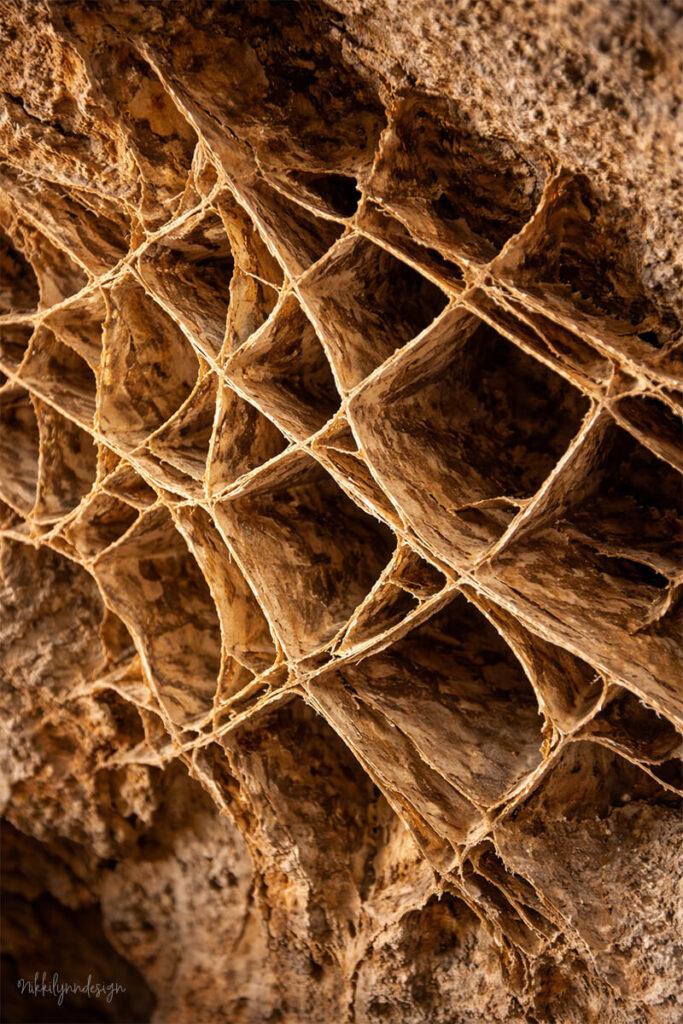
Wind Cave is one of the most well-known cave systems in the United States and is especially famous for its rare boxwork formations. These delicate calcite fins form unusual honeycomb-like patterns that make the cave distinct from many other cave systems.
The cave gets its name from the movement of air at the natural entrance. Depending on air pressure conditions, the cave can seem to breathe in or out, creating a noticeable rush of wind.
If you plan to tour the cave, ranger-guided tours are the main way visitors experience it. Tour options can vary by season, so it is a good idea to check current tour offerings before your visit.
Wildlife at Wind Cave National Park
One of the best parts of visiting Wind Cave National Park is the wildlife. The park protects a large area of mixed-grass prairie habitat, and that open landscape makes animal sightings easier than in many heavily forested parks.
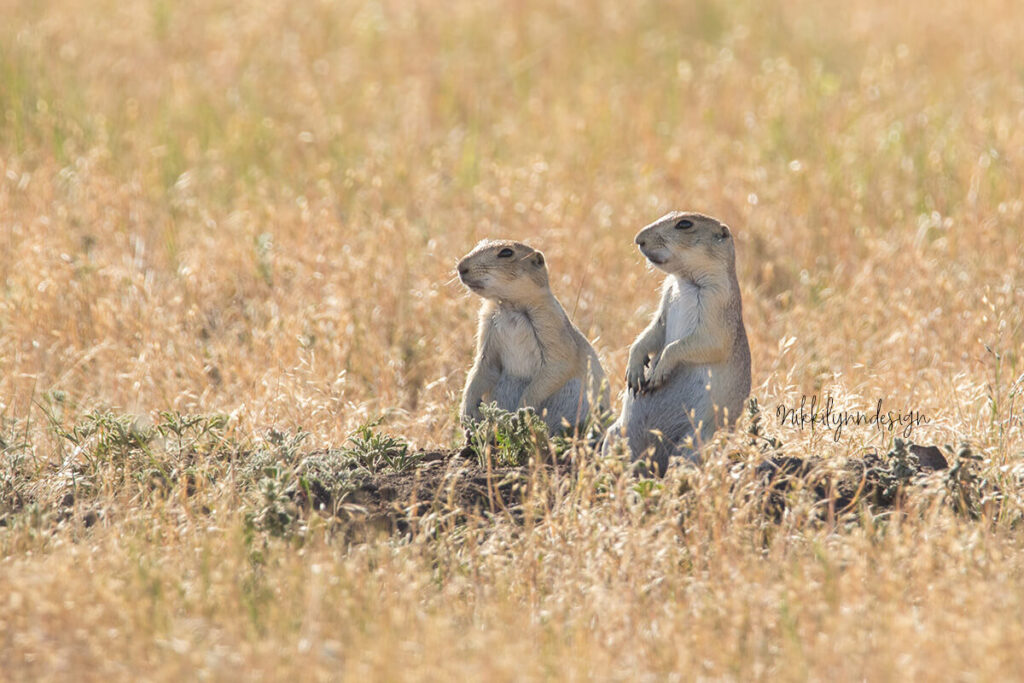
Visitors may see bison, prairie dogs, elk, pronghorn, and a variety of birds while driving through or hiking in the park. During our visit, the bison were especially memorable. Some were close enough to the road to make for excellent viewing from the safety of the vehicle.
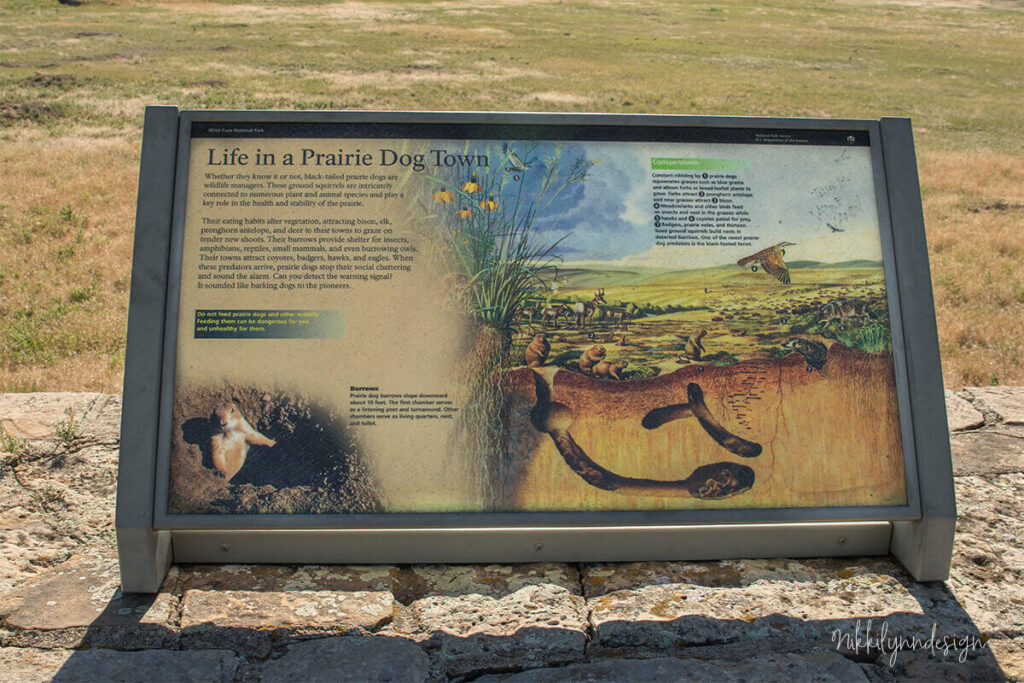
Prairie dog towns are another highlight, and add a lot of life and movement to the grassland scenery.
Prairie Landscapes and Scenic Drives
Above ground, Wind Cave National Park feels wide open. The rolling hills, mixed grass prairie, patches of pine forest, and quiet roads create a peaceful landscape that is very different from the cave below.
This is a beautiful park for travelers who enjoy scenic drives, photography, and the chance to see wildlife in a more natural prairie setting. Even if you do not take a cave tour, the above-ground scenery alone makes the park worth visiting.
Prairie Wildflowers at Wind Cave National Park
Beyond the cave itself, Wind Cave National Park protects one of the largest remaining areas of mixed-grass prairie in the United States. This prairie landscape supports a wide variety of native plants and wildflowers that bring color to the rolling hills during the warmer months.
Depending on the season, visitors may see wildflowers blooming across the grasslands while driving through the park or hiking its trails. Some of the more common prairie flowers include purple coneflower, prairie clover, blanketflower, and goldenrod.
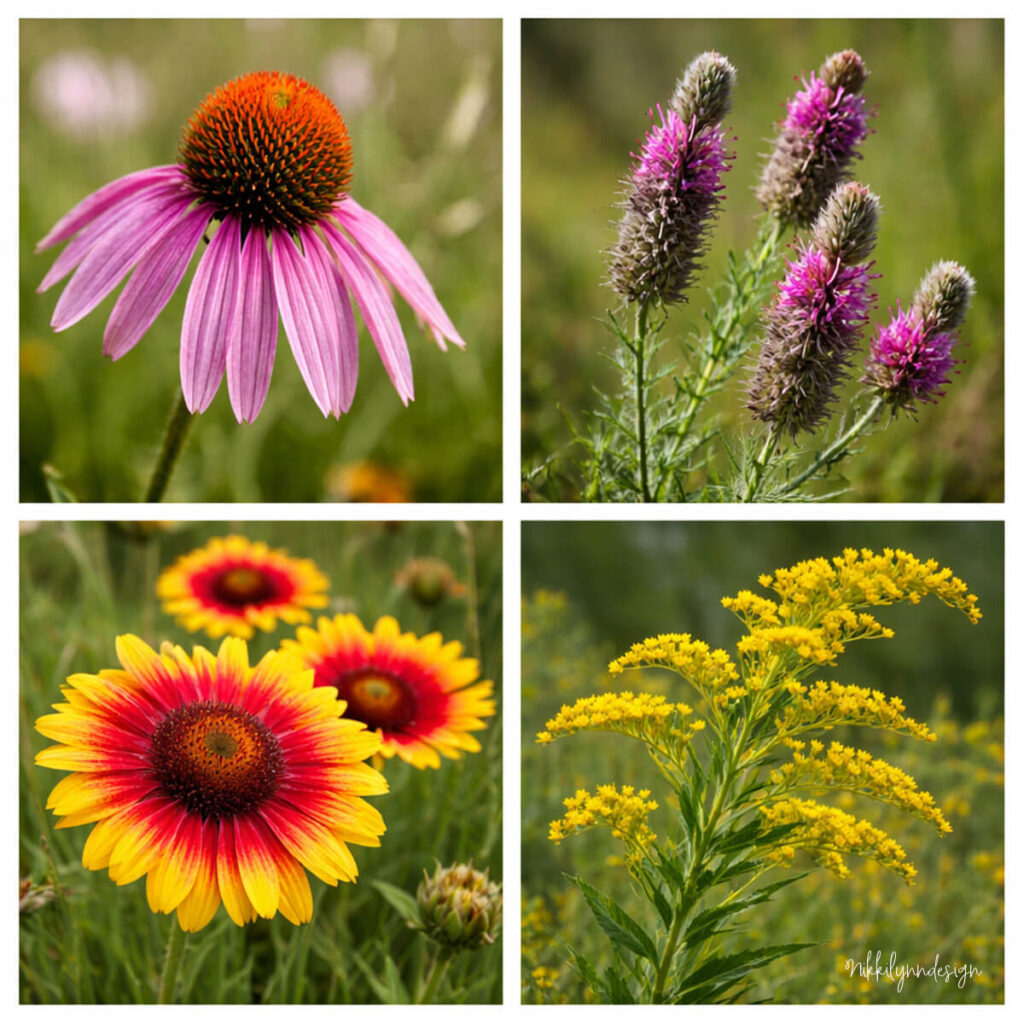
These native plants play an important role in the prairie ecosystem. They provide food for pollinators such as bees and butterflies and help support the broader grassland habitat that wildlife like bison, elk, and prairie dogs depend on.
In summer especially, the prairie scenery becomes even more beautiful as patches of wildflowers appear among the grasses and scattered ponderosa pines. It is another reason that exploring Wind Cave National Park above ground can be just as rewarding as visiting the cave itself.
Hiking at Wind Cave National Park
Wind Cave National Park also has hiking trails for visitors who want to explore more of the prairie and forest on foot. Trails in the park range from shorter walks to longer routes, and they offer opportunities for quiet views, wildlife watching, and seeing the landscape away from the road.
If you enjoy less crowded hiking areas, this park can be a good choice in the Black Hills region.
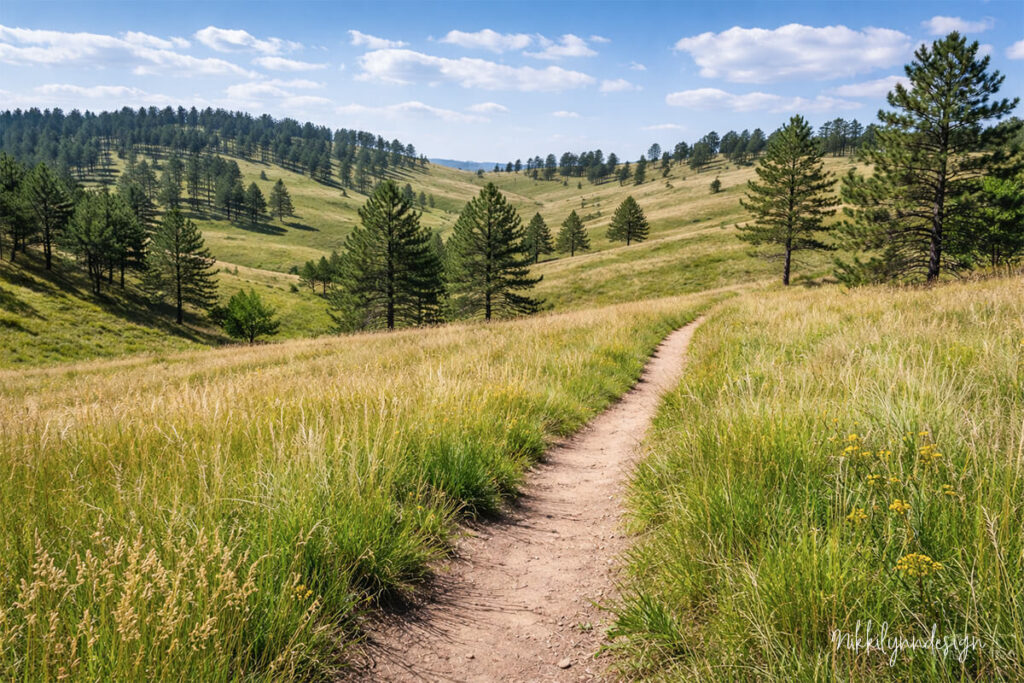
Popular trails include:
Rankin Ridge Trail
A short hike that leads to one of the highest viewpoints in the park.
Lookout Point Trail
Offers sweeping views across the rolling prairie landscape.
Prairie Vista Trail
A short interpretive trail near the visitor center.
Pairing Wind Cave with Custer State Park
Because Wind Cave National Park sits so close to Custer State Park, many visitors combine the two in the same day. The contrast works well. Custer State Park offers lakes, granite formations, burros, and scenic drives, while Wind Cave brings prairie wildlife, cave tours, and a quieter grassland setting.
Together, they make an excellent Black Hills day trip and give visitors a broader look at the variety of landscapes found in this part of South Dakota.
Things to Know Before You Go
- Cave tours are separate from simply visiting the park, so check schedules ahead of time if you want to go underground.
- Wildlife can often be seen close to the road, but always stay at a safe distance and remain in your vehicle when needed.
- The prairie landscape can feel warm and exposed during summer, so bring water and sun protection if you plan to hike.
- Wind Cave pairs especially well with a visit to Custer State Park if you want to explore both in one day.
Why Wind Cave National Park Is Worth a Stop
Wind Cave National Park is more than just a cave stop. It is a place where underground geology and open prairie meet, giving visitors a chance to experience two very different landscapes in one park. Whether you come for the cave tour, the bison, the prairie dog towns, or simply the quiet drives through the hills, it is a worthwhile stop in the Black Hills of South Dakota.