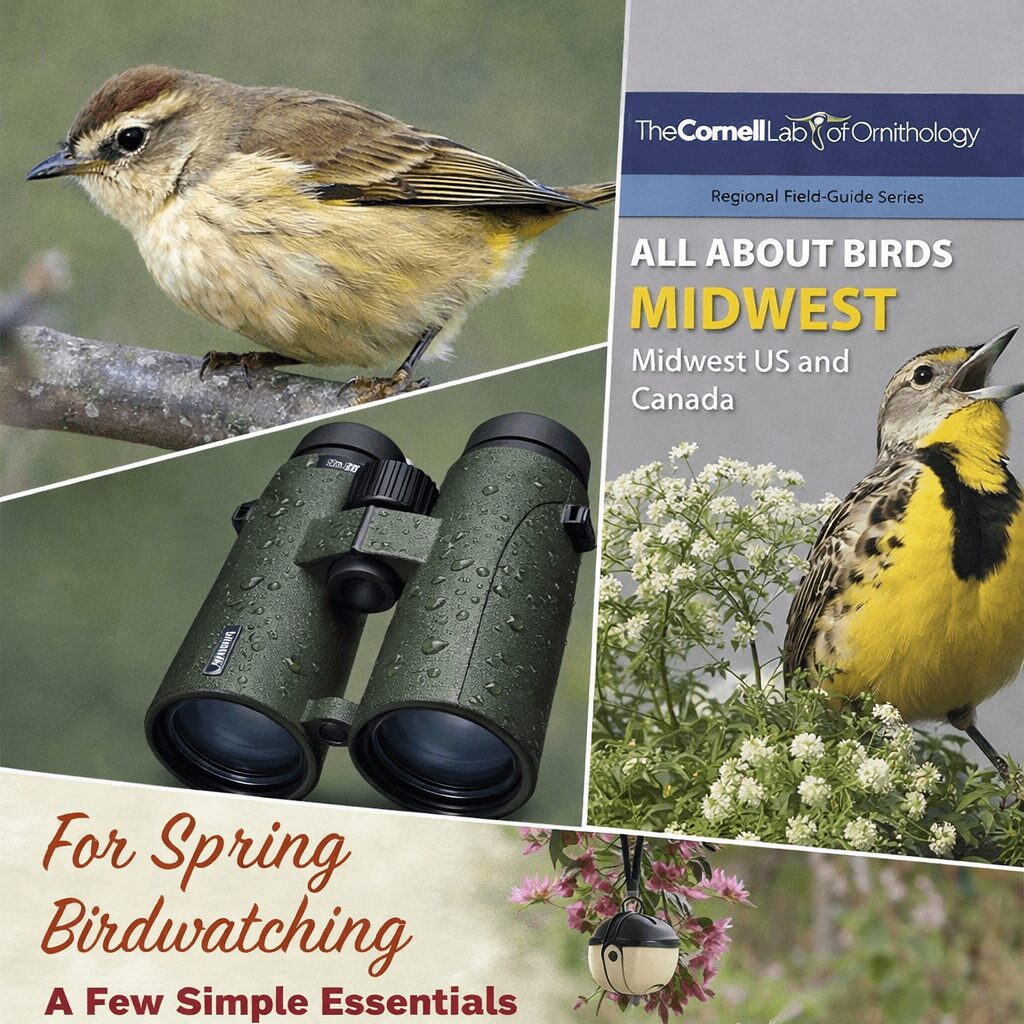
Warblers, Binoculars, and Spring Light: Simple Gear for Birdwatching in Wisconsin
Glorious spring mornings in Wisconsin have a way of pulling you outside, whether you planned to go or not. For me, it started with warblers. I became slightly obsessed with tracking down and photographing every species said to pass through our corner of Green Bay. Each migration felt like a treasure hunt woven into the woods.
Some days I carried my camera. Other days, just binoculars. But always — curiosity.
When Spring Returns
Spring, for me, is not announced by a date on the calendar. It slips in quietly on the wings of warblers and the steady movement of migrating ducks overhead. I find myself scanning treetops for flashes of yellow, listening for unfamiliar notes drifting from the understory, and walking marsh edges hoping to catch the low whistle of wings crossing the water.
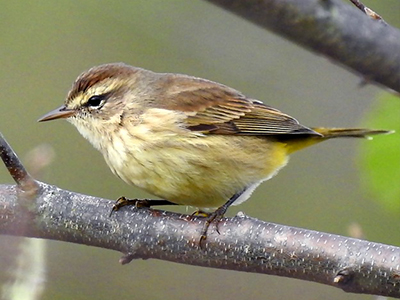
It becomes a kind of seasonal hunt — not for trophies, but for moments. The first Palm Warbler. The first wood thrush song. The first robin that makes me stop mid-step just to watch. Spring is motion and sound and light shifting through branches.
Over time, I’ve learned that it doesn’t take much to step into that rhythm. Just a few thoughtful tools and the willingness to slow down.
Learning from Fellow Birders
In past years, I would quietly pass birders on the trail — binoculars lifted, fully focused. Recently, I started stopping to chat.
Two gentlemen in particular shared insights that reshaped how I approach birdwatching.
As photographers, we carry lenses and tripods. Birders carry their own thoughtful tools — and a lifetime of listening.
Why Birdwatching?
People birdwatch for different reasons. Some welcome returning species like old friends. Some walk for exercise. Others keep life lists.
For me, birdwatching has a way of shifting your perspective. The same trail you have walked dozens of times suddenly feels different when you begin looking upward and listening closely.
The woods become layered with motion and sound, and even familiar places reveal new surprises. It is a quiet practice of patience, curiosity, and learning to appreciate the small moments that unfold in front of you.
Simple Gear for Birdwatching
You truly do not need much to begin. In fact, keeping it simple makes it more enjoyable.
1. A Good Pair of Binoculars (Essential)
Binoculars are the one non-negotiable item. Look for something lightweight and comfortable to hold. Many experienced birders suggest avoiding high magnification, like 10x, for beginners — lower magnification makes it easier to keep fast-moving birds in view.
- Waterproof and fog-proof design
- Comfortable grip
- Lightweight build
- Smooth, fast focus adjustment
If you’re starting, a lightweight 8×42 waterproof binocular is a great beginner-friendly option.
2. Bird Call Playback (Use Thoughtfully)

I once spoke with a retired birder who introduced me to using a small wireless speaker for identifying calls.
Used sparingly and respectfully — and only where permitted — it can help confirm identification.
Always check local guidelines before using call playback, especially during nesting season.
Recorded calls can cause birds to think a rival has entered their territory, which may pull them away from feeding or protecting their nests. In some parks and wildlife areas, playback is restricted for this reason.
3. A Comfortable Carry Bag (Optional)
A lightweight messenger bag or small daypack makes it easy to carry water, a notebook, or a camera. Birders and photographers alike appreciate easy access and balanced weight while walking trails.
4. A Reliable Field Guide (Highly Recommended)

A regional field guide remains invaluable — even in the age of apps.
Flipping pages while standing beneath the trees creates a slower, more intentional learning experience. This is my go-to guide for Midwest and Canadian birds.
Just Get Out There
At the end of the day, you only need binoculars and curiosity. Everything else is icing on the cake. Birdwatching is less about gear and more about attention — about noticing the small flicker of movement that most people walk past.
Spring migration will return whether we are watching or not. But when we choose to look — really look — the woods feel alive in a different way.
Happy birding from Wisconsin’s woodlands and meadow edges.