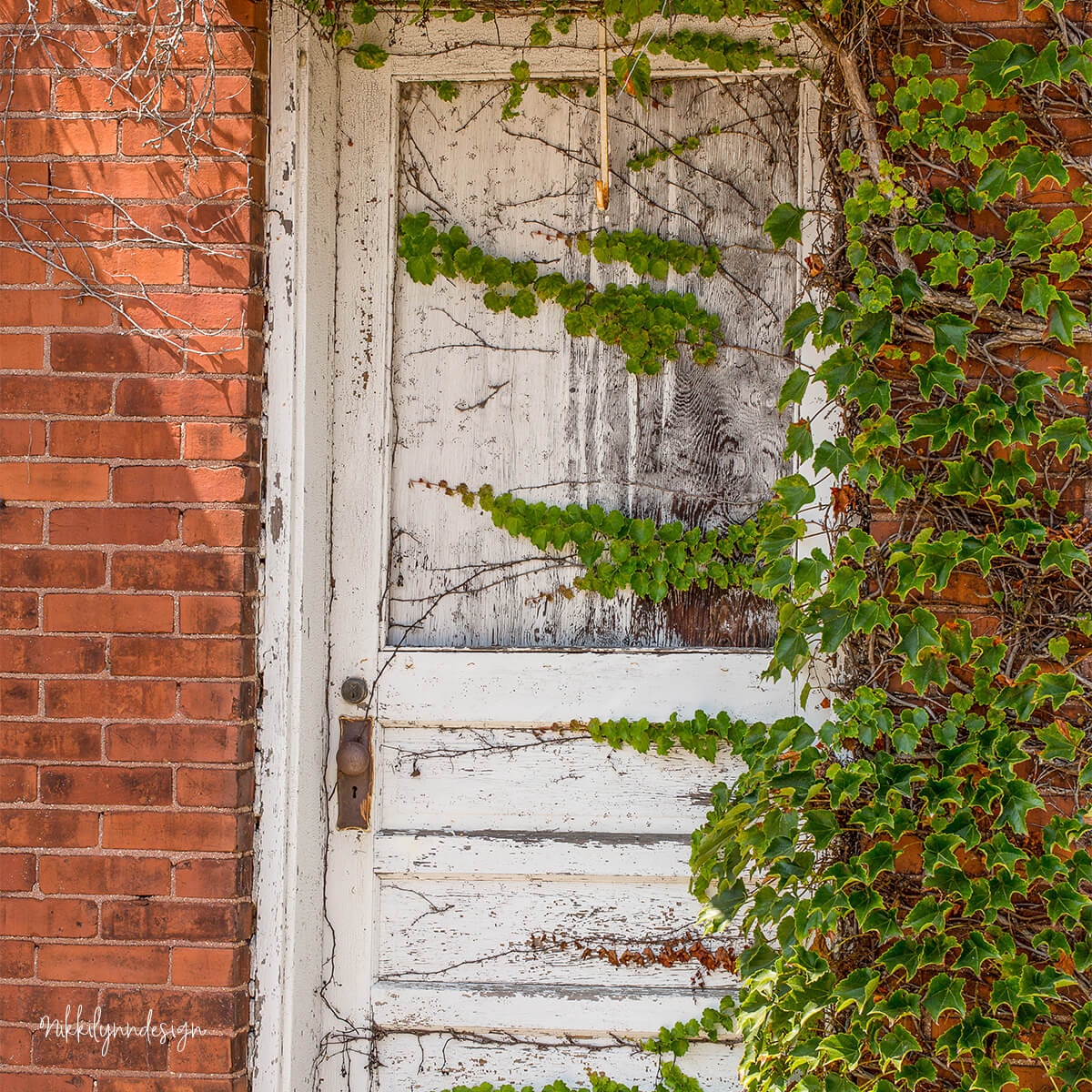
Southern Door County and parts of Brown and Kewaunee counties form one of the most unique cultural landscapes in Wisconsin. In the 1850s, Belgian immigrants settled here and built new communities. Their farms, chapels, churches, and distinctive brick homes still shape the countryside today.
Drive the quiet rural roads around Brussels, Namur, and the surrounding countryside, and you will find a landscape rich with history. Weathered farmhouses, roadside chapels, and old schoolhouses stand across the fields. Many Belgian brick buildings still remain as reminders of the early settlers who built their lives here.
The Belgian Settlement of Northeastern Wisconsin
Belgian immigrants began arriving in northeastern Wisconsin in the mid-1800s. Many came from the Wallonia region of Belgium. They sought farmland and the chance to build new communities.
Families settled in areas that later became Brussels, Namur, Champion, and Rosiere. Over time these communities developed strong traditions centered on farming, faith, and family life.
Churches such as St. Francis in Brussels quickly became the heart of these communities. They served both religious and social roles for local farming families.
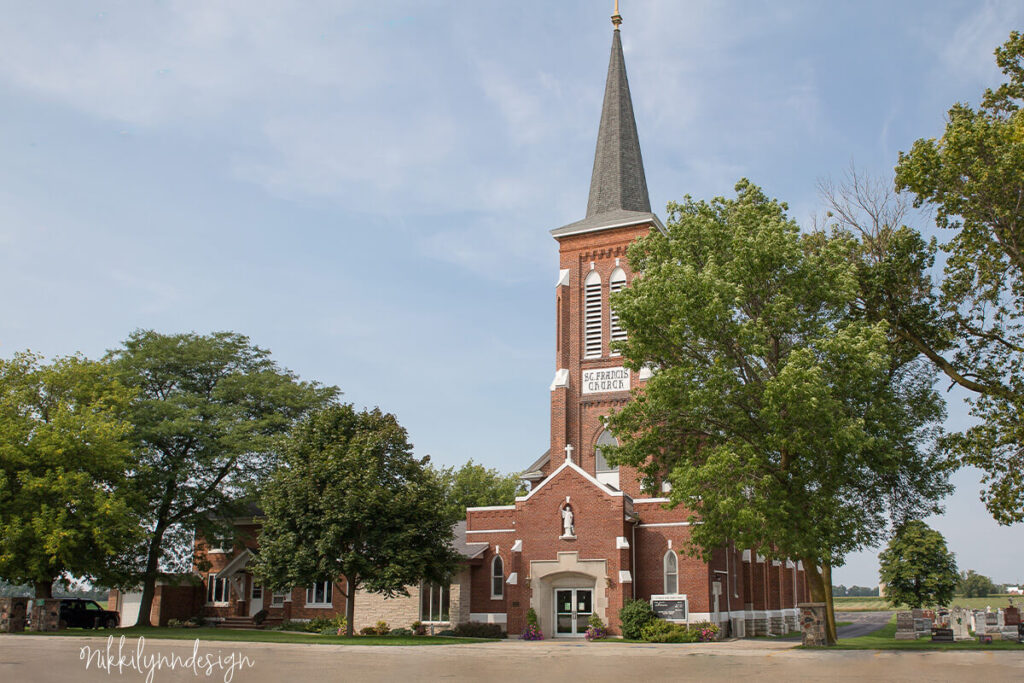
Today the architecture of the countryside still reflects the influence of these early settlers.
Why Belgian Settlers Built with Brick
One feature stands out across the Belgian settlement region: brick construction. Many Midwestern homes used wood, but Belgian immigrants relied on masonry methods they knew from their homeland.
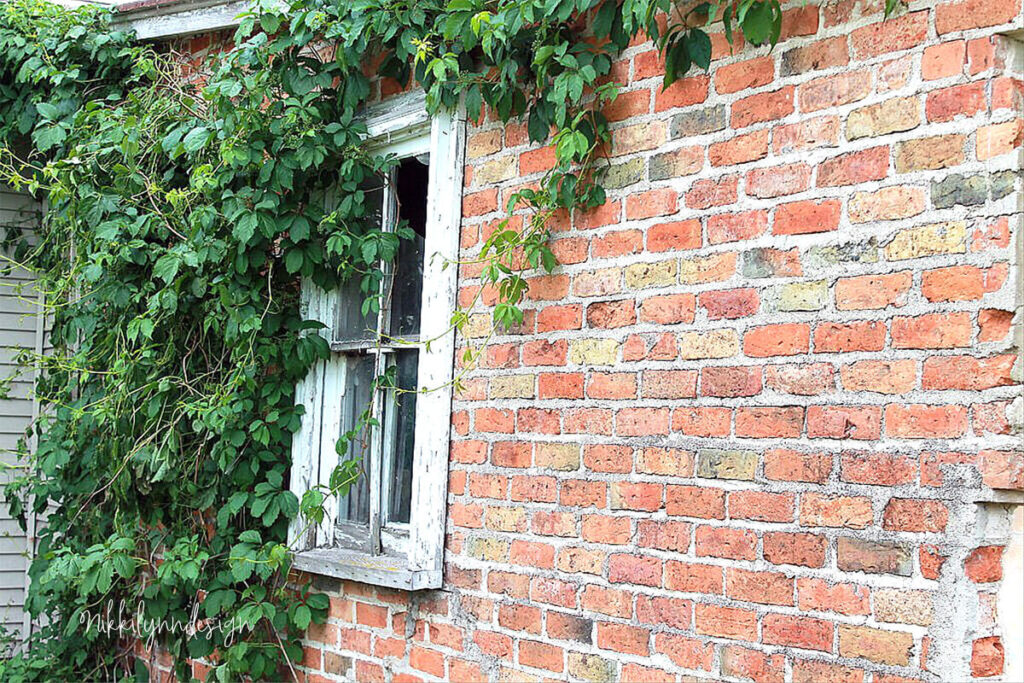
The soil around Brussels and southern Door County contains rich clay. Local residents used this clay to produce bricks. Small kilns appeared across the area and supplied materials for homes, barns, churches, and community buildings.
These bricks were handmade and fired locally. Because of this process, the bricks often vary in size and color. That variation gives the buildings character but makes modern repairs more difficult.
A Belgian Brick Home Near Brussels
While driving through the countryside on my way to Sugar Creek, I stopped to photograph this historic Belgian brick home. The house sits along a quiet rural road surrounded by farmland that likely looks much as it did when the home was first built.
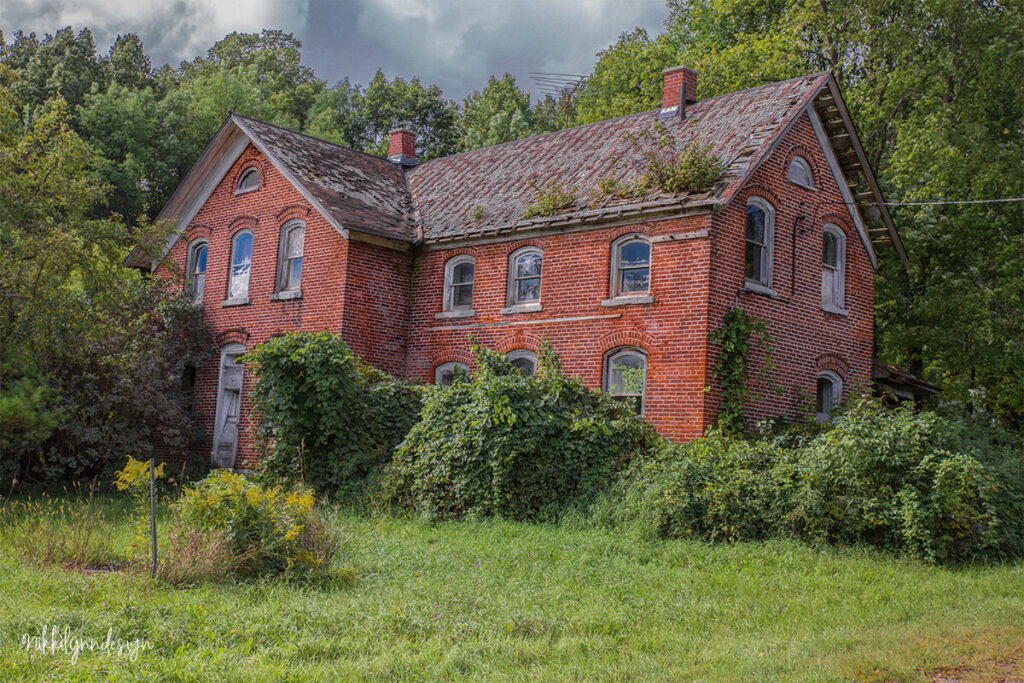
Photographing historic buildings along rural roads sometimes attracts attention. During this stop I spoke briefly with someone connected to the property. Once I explained that I photograph historic architecture in the area, the conversation quickly became friendly.
He confirmed something many locals already know. Repairs on Belgian brick buildings can be challenging. Matching bricks rarely exist today. Owners often salvage bricks from other historic structures when repairs are needed.
Belgian Roadside Chapels
Roadside chapels form another unique feature of the Belgian heritage landscape. Belgian settlers built many of these small chapels along rural roads. Some honored saints. Others expressed gratitude or served as places for prayer.

Travelers and local families often stopped at these chapels to pray. Today dozens still stand throughout Brown, Door, and Kewaunee counties. One example is the Shrine of St. Anthony of Padua, a historic roadside chapel that reflects the deep Catholic traditions of the Belgian immigrant communities who settled this region.
The Shrine of Our Lady of Good Help
The strong Catholic faith of the Belgian settlers also shaped one of Wisconsin’s most important religious sites: the Shrine of Our Lady of Good Help near Champion.
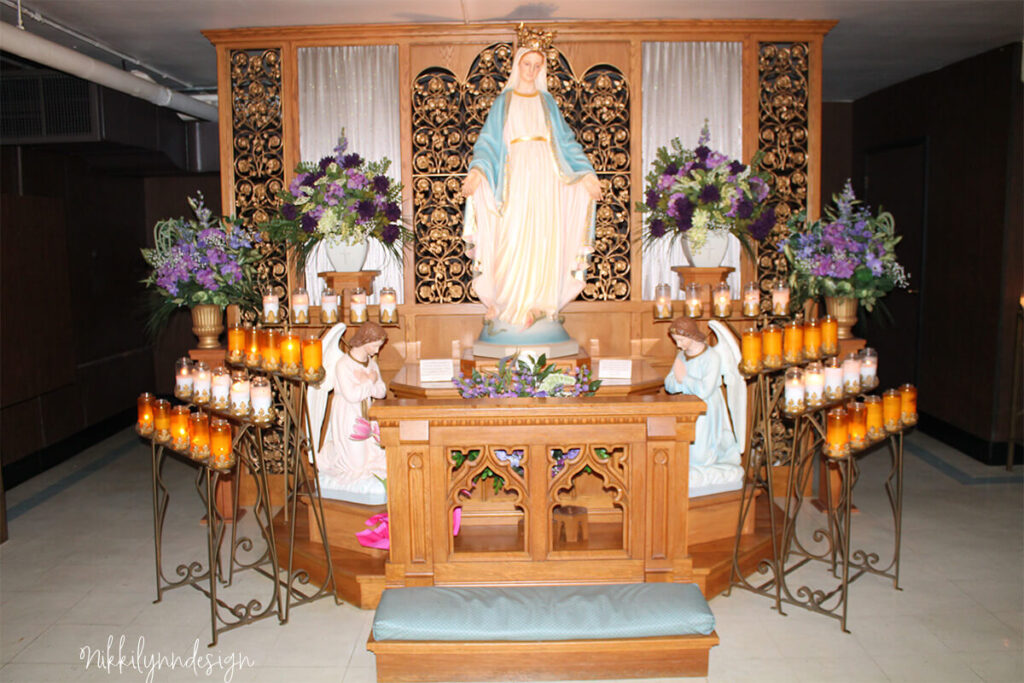
In 1859 the Virgin Mary is said to have appeared to a young Belgian immigrant woman named Adele Brise. The site later became a pilgrimage destination and remains an important part of the region’s history.
Historic Buildings Across the Countryside
The countryside across the Belgian settlement region contains many historic structures. Old cheese factories, schoolhouses, barns, and farmhouses appear along rural roads.
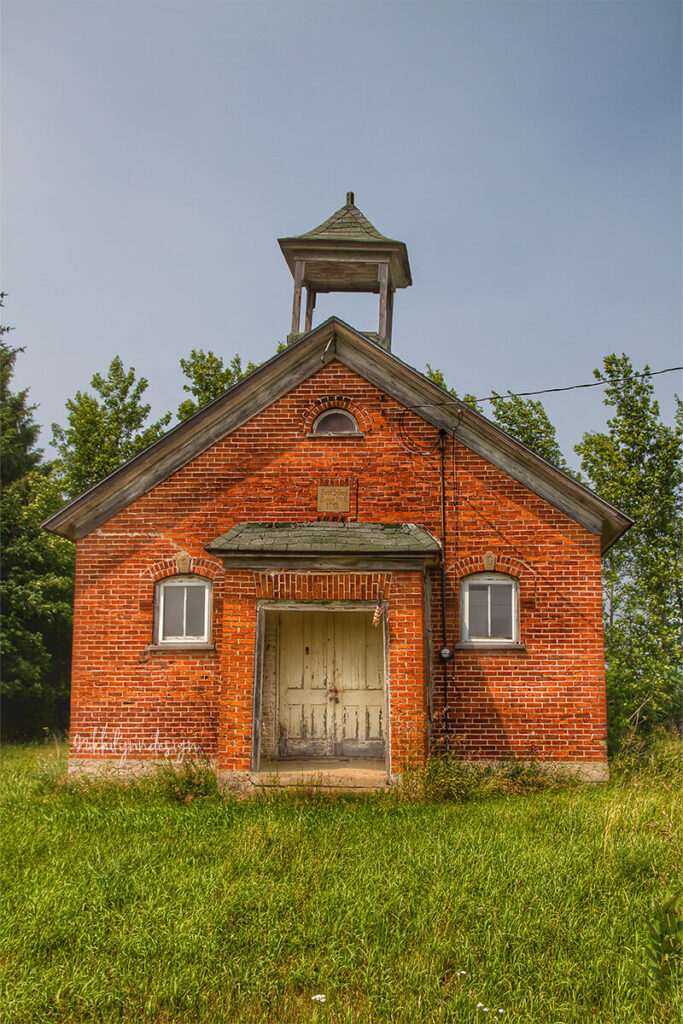
Most of these buildings date to the late 1800s or early 1900s. They reflect the craftsmanship and traditions of the immigrant families who built them.
A Landscape Shaped by Heritage
More than 150 years later, Belgian heritage still shapes the countryside of northeastern Wisconsin.
Brick homes, roadside chapels, churches, farms, and small rural communities continue to tell the story of these early settlers.
Explore the quiet backroads of the region and you will discover a landscape filled with history, craftsmanship, and tradition.
For many families in northeastern Wisconsin, these buildings are more than historic structures. They stand as reminders of the generations who built communities here and shaped the land.