In the Spring
Early spring is about readiness. After months of cold soil and fluctuating temperatures, the goal is to plant in phases. That way, cold-hardy crops go in first, and tender crops wait until conditions are truly stable.
The simplest approach: use tree blooms as your “go” signals. They won’t be perfect in every microclimate, but they’re surprisingly reliable year after year.
Why This Method Works Especially Well in the Midwest
In the Midwest, planting by the calendar can be risky. Late frosts, fluctuating soil temperatures, and unpredictable spring storms make fixed dates unreliable. Most of this region falls within USDA Hardiness Zones 3–6, where growing seasons are shorter and cold snaps linger longer than many gardeners expect.
That’s why watching tree blooms works so well here. Fruit trees respond directly to soil temperature, daylight length, and consistent warming trends. When plum, peach, and apple trees bloom, they’re signaling that the environment is shifting — often more accurately than a date on the calendar.
Quick Guide: How to Use This Planting Method
- Watch for plum/peach blooms to begin direct sowing cold-hardy seeds.
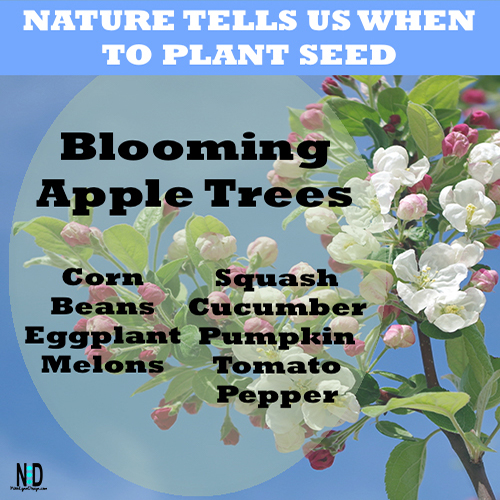
- Watch for apple blossoms to begin sowing warm-season seeds.
- Wait for apple petals to fall before planting tender transplants outdoors.
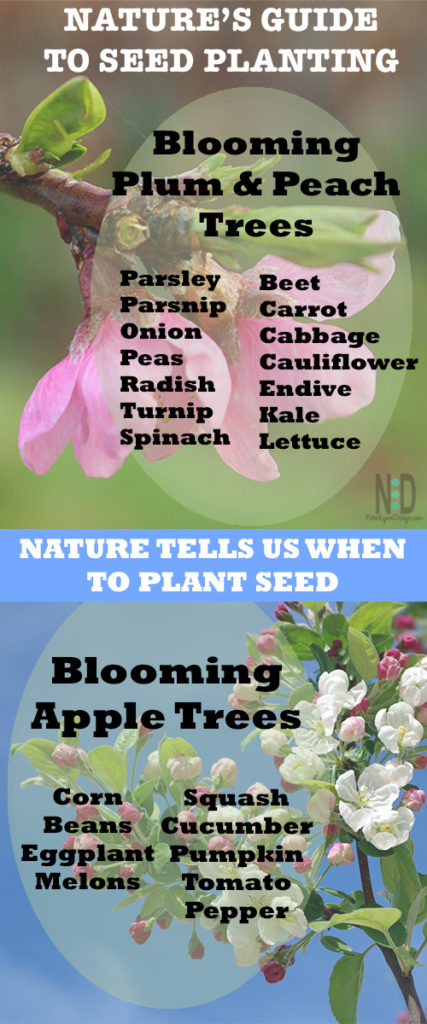
Blooming of Plum & Peach
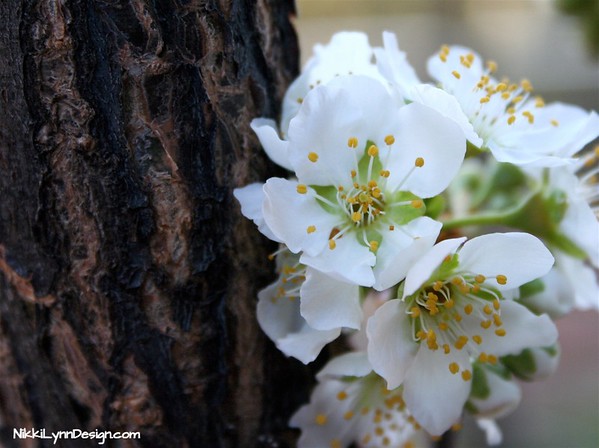
Nature gives us a planting guide—and it often starts with fruit trees. When the first plum and peach blossoms appear, it’s usually a sign that the soil is beginning to warm and you can start sowing cold-hardy seeds.
These are crops that tolerate chilly nights and cooler soil. They may sprout slowly at first, but they can handle early spring conditions far better than warm-season vegetables.
First Seeds to Plant (Cold-Hardy Crops)
- Parsley
- Parsnip
- Onion
- Peas
- Radish
- Turnip
- Spinach
- Beet
- Carrot
- Cabbage
- Cauliflower
- Endive
- Kale
- Lettuce
Blooming of Apple Trees
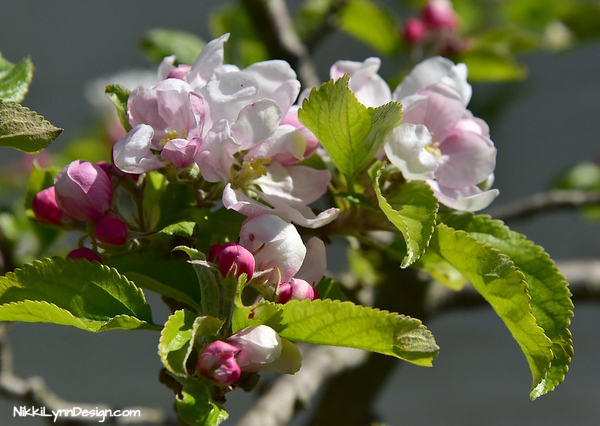
The next cue to watch for is apple blossoms. When apple trees bloom, spring has usually moved into a warmer phase. This is often a good time to begin sowing warm-season seeds that need more heat to germinate and grow.
In much of the Midwest, gardeners look for consistent daytime temperatures around 60°F (and warming soil) before planting tender seeds outside. Apple blossoms can be a helpful “green light” that you’re getting close.
Second Seeds to Plant (Warm-Season Crops)
- Corn
- Beans
- Eggplant
- Melons
- Squash
- Cucumber
- Pumpkin
- Tomato (seed outdoors only if your season allows)
- Pepper (seed outdoors only if your season allows)
When Is the Right Time to Plant Indoor Seedlings and Transplants?
If you start plants indoors, wait until the apple blossoms begin to fade and the petals drop. That drop often signals a more stable spring pattern—warmer soil, fewer hard freezes, and better transplant survival.
Even then, harden seedlings off gradually. Tender plants can struggle with wind, cool nights, and sudden temperature swings. A slow transition helps prevent shock and stalling.
Midwest tip: Even after apple petals fall, keep an eye on extended forecasts. In northern Wisconsin, Minnesota, or Upper Michigan, late May frosts are still possible. Be ready with row covers if temperatures dip unexpectedly.
Common Questions
What if I don’t have plum, peach, or apple trees nearby?
Use what you can easily observe in your area—neighboring fruit trees, ornamental crabapples, or even local park trees. The goal is consistency: watch the same reliable cues each year and compare them to your results.
Should I still check the weather forecast?
Yes. Natural cues are helpful, but late frosts happen. If a cold snap is coming, cover young seedlings or pause planting for a few days.
Sharing Is Caring — Pin Me
AFFILIATE POLICY: Posts on this site may contain links to outside vendors that pay me a commission when you purchase from them, at no additional cost to you. Thank you for supporting this site!