When Do Hummingbirds Return in Spring?
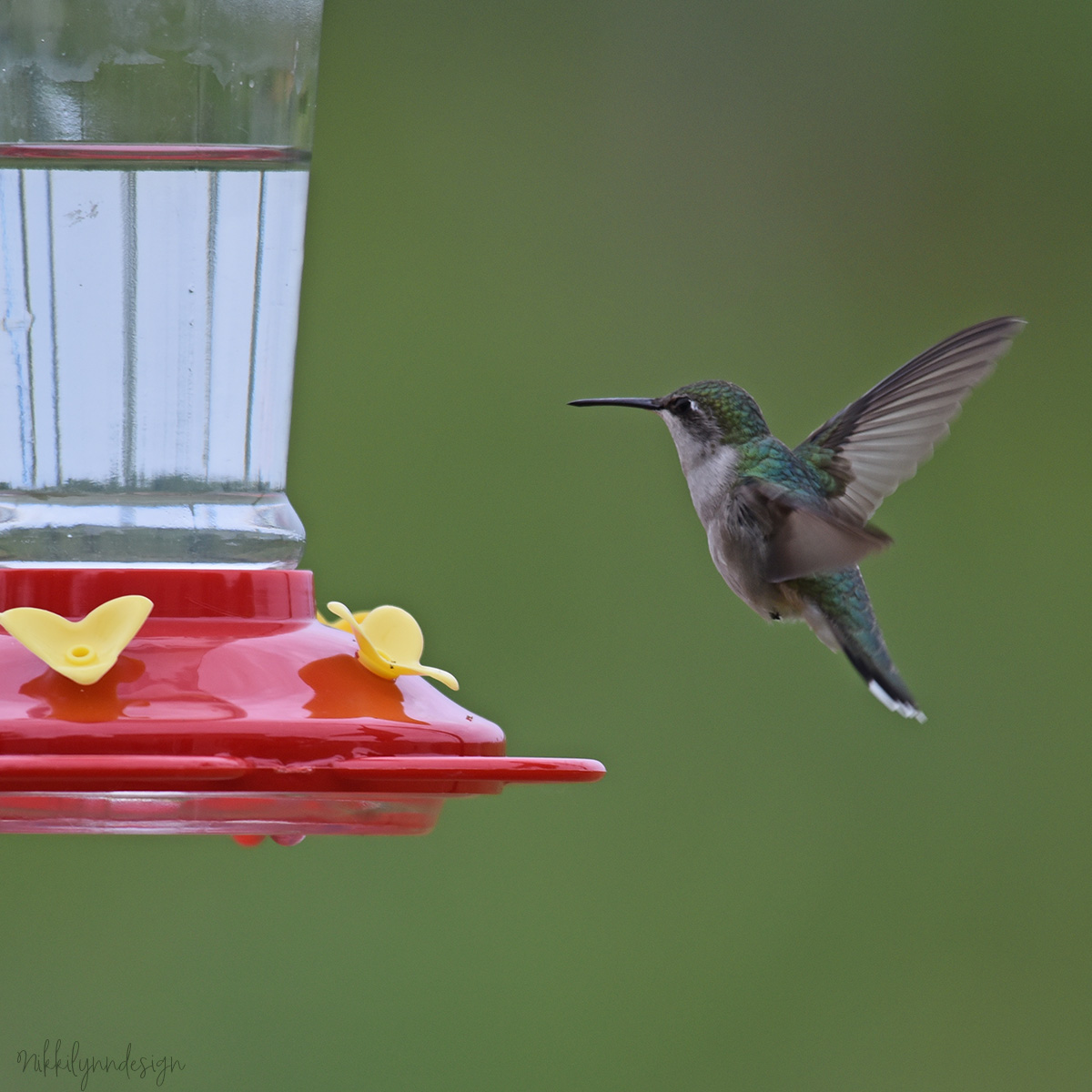
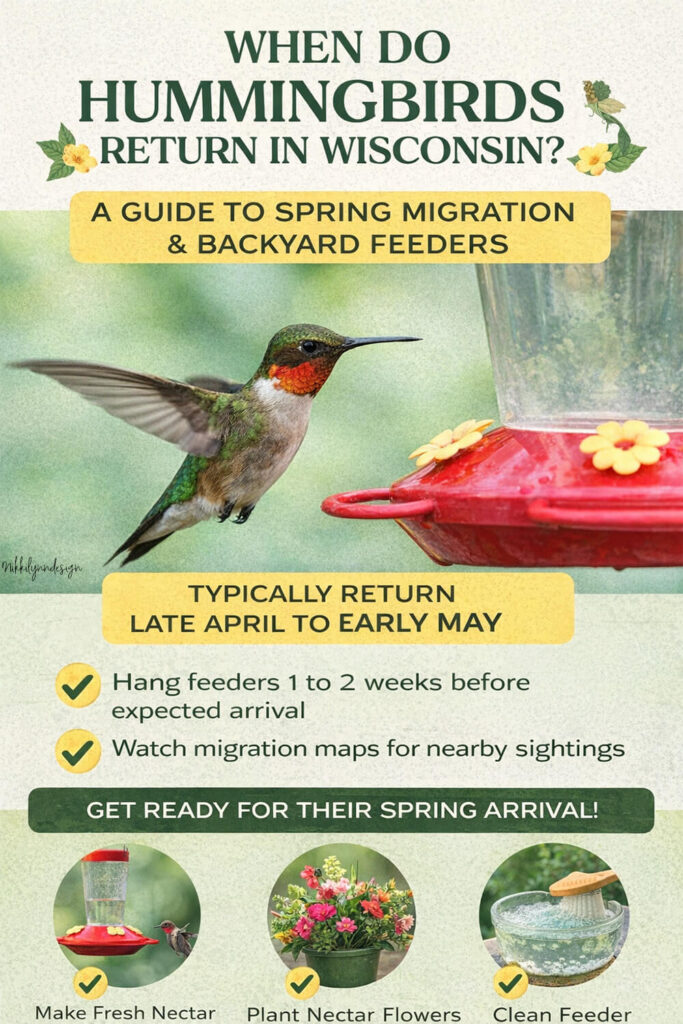
Each spring, one of the most common backyard bird questions is: When do hummingbirds return? The answer depends on where you live, but in Wisconsin and much of the Upper Midwest, hummingbirds usually begin showing up in late April to early May.
If you enjoy watching seasonal changes in your yard, hummingbird arrival is one of the clearest signs that spring is truly settling in. Their return is tied to migration, weather patterns, and the availability of nectar sources along the way, which is why timing can shift a little from year to year.
General Info
| Main Species | Ruby-throated hummingbird |
| Return Time in Wisconsin | Usually late April through the first week of May |
| Best Time to Hang Feeders | About 1 to 2 weeks before expected arrival |
| What They Need | Clean feeders, fresh nectar, shelter, and nectar-rich flowers |
| Helpful Clue | Warm spring weather and regional migration reports often signal arrival is near |
When Hummingbirds Return in Wisconsin
In Green Bay and much of northeastern Wisconsin, hummingbirds often return during the first week of May, though some years they may appear a little earlier or later depending on weather. Farther south in the United States, hummingbirds arrive much earlier, often during February or March.
Because migration moves north in waves, southern states usually see them first, followed by the Midwest and then the northernmost parts of their breeding range. That is why your timing may look very different from someone living farther south.
Why the Date Changes a Little Each Year
Hummingbird migration is influenced by temperature, food availability, and seasonal weather patterns. A warm spring can encourage earlier movement, while colder stretches may delay arrival. Even so, many backyard birdwatchers notice that the timing in their own yard stays within a fairly small seasonal window from year to year.
How to Predict When Hummingbirds Will Return
One of the best ways to tell when hummingbirds are likely to return is to combine your own observations with regional migration reports.
1. Keep Notes From Year to Year
Tracking first arrival dates in a notebook, calendar, or garden journal is one of the easiest ways to predict when hummingbirds will show up again. Over time, those dates give you a useful pattern for your exact area.
If you already know the usual return window in your yard, you can hang your feeders a few days early so nectar is ready when the birds arrive.

2. Watch Regional Migration Reports
Online migration maps can help you see how far north hummingbirds have progressed. These reports are especially useful in spring when you are trying to decide whether it is time to put out feeders.
If you want to follow migration activity, you can check a hummingbird migration map here.
When to Put Out Hummingbird Feeders
A good rule is to put your feeders out about one to two weeks before you expect hummingbirds to arrive in your area. In northeastern Wisconsin, that usually means having them ready by late April.
Putting feeders out early will not trap birds or keep them from migrating. It simply ensures that food is available if an early hummingbird passes through your yard during migration.
Do Hummingbirds Return to the Same Yard?
Many birdwatchers believe hummingbirds often return to familiar feeding areas if those places continue to provide reliable food and shelter. A yard with clean feeders, flowers, and cover can become a dependable stop during migration and summer breeding season.
Clean Your Feeders Before They Arrive
If your feeders have been stored away since fall, spring is the time to wash them thoroughly before refilling. Clean feeders help prevent mold, fermentation, and harmful bacteria that can make birds sick.
It is a good idea to clean them a few days before you plan to hang them so they have time to dry fully before being filled with fresh nectar.
You can read more here: How to Clean a Hummingbird Feeder.

How to Attract Hummingbirds to Your Yard
If you are new to attracting hummingbirds, feeders are only part of the picture. Hummingbirds are also drawn to yards with nectar-rich flowers, perching spots, shelter from wind, and a safe place to rest.
Adding the right plants and keeping fresh nectar available can make your yard more appealing during migration and throughout the summer months.
A Simple Spring Reminder
If you live in Wisconsin, the return of hummingbirds is usually not far behind the first real stretch of spring warmth. Keep an eye on migration reports, hang your feeders a little early, and have them cleaned and ready before the first birds arrive.
That way, when the season shifts and the hummingbirds return, your yard will be ready for them.