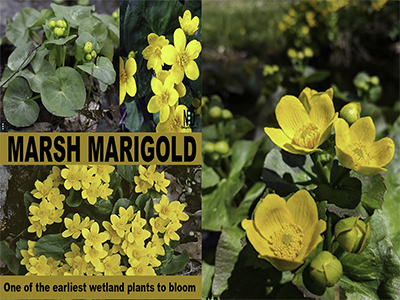
The marsh marigold is one of the earliest wetland plants to bloom after the winter snow has melted with it’s beautiful, yellow blooms that herald spring is here.
June Wildflower
White Baneberry Dolls Eyes
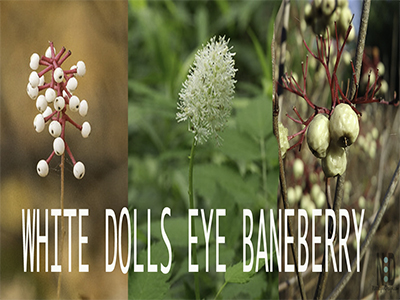
White baneberry dolls eyes begins its life with fuzzy white flowers on a green stem and later develop white berries with a black dot in the middle.
Invasive Cow Vetch
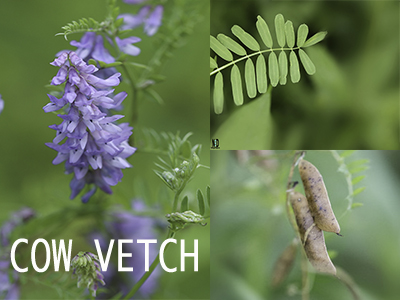
Invasive Cow Vetch
Cow vetch is widely used as a forage crop for cattle and is beneficial to other plants because, like other leguminous plants, it enriches the soil in which it grows by its nitrogen-fixing properties. Although, it is considered an invasive plant in many areas.
Mayapple Wildflower
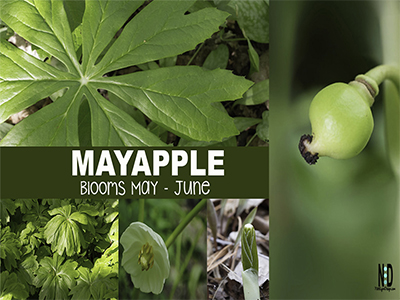
Mayapple
The mayapple plant’s scientific name is Podophyllum peltatum and is part of my running Wisconsin wildflower collection. The mayapple wildflower in Wisconsin was found on one of my walks through the Wisconsin woodland areas.
Spiderwort
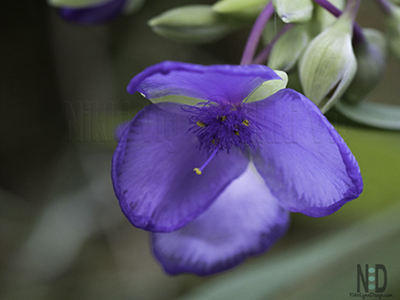
Virginia Spiderwort
The three-petaled Virginia spiderwort wildflowers are usually blue to a variety of purples, but may also be pink, white, or red.
Jack in the Pulpit
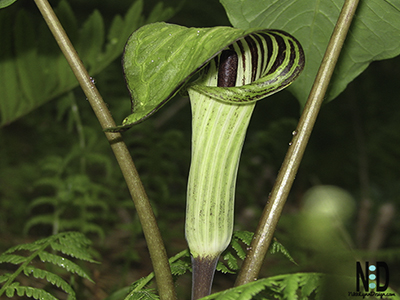
Jack in the Pulpit
A common woodland plant that produces purple-spotted and striped leaves in the spring (April–June).
Trout Lily
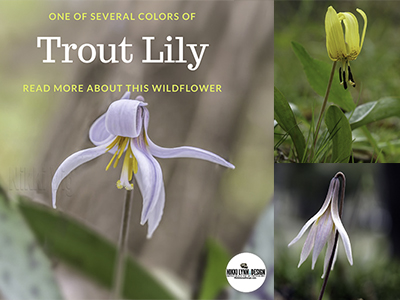
Trout Lily
The woods are blooming full of trout lily in Wisconsin. I have been lucky to track down the White Trout variety(Erythronium albidum) and the Yellow variety (Erythronium americanum).
Wild Strawberry : Nature’s Tiny Red Gems
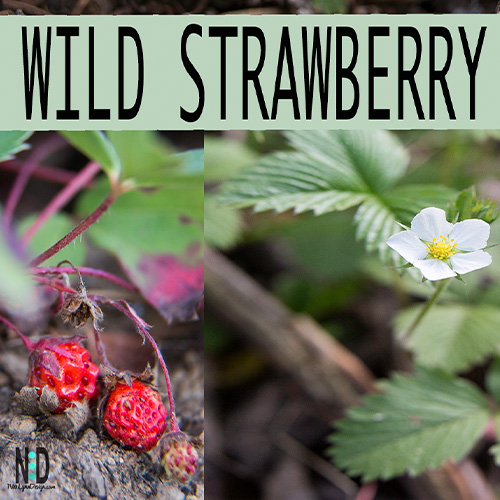
The Wild Strawberry is common in open places in woods, on grassy slopes, and in similar situations. It flowers in April and May, and the fruit ripens in June and July.
Purple Gaywing Wildflower
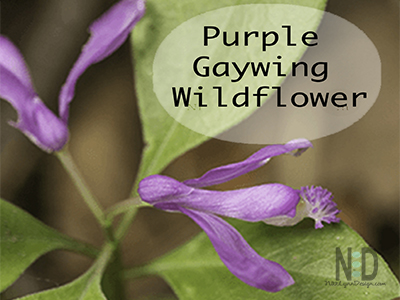
The purple Gaywing wildflower is often mistaken for an orchid. It goes by the names of Fringed Polygala, Gaywings, or Flowering Wintergreen. General Information Genus: Polygala paucifolia Family: Milkwort Life cycle: Perennial Origin: Native Habitat: Damp, rich woods Bloom season: May, June Plant height: 4-6 inches tall Additional Information This dainty and low perennial usually rises but … Read more
Eastern Red Columbine Wildflower
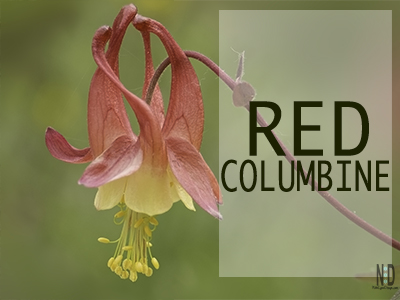
Eastern Red Columbine Wildflower
Not exactly sure what draws me to the eastern red columbine wildflower. Is it the curvy lines? The color? Perhaps, because one sees them selectively?