
Foraging for common elderberry (Sambucus nigra), also known as black elderberry, is a rewarding way to connect with nature and enjoy its edible bounty. Elderberries and their flowers are prized for culinary uses like syrups, jams, teas, and wines, but foraging requires careful identification and preparation to ensure safety. In this guide, we’ll cover everything you need to know about foraging common elderberry, including identification tips, harvesting techniques, safety precautions, and practical uses. Whether you’re a seasoned forager or a beginner, this post will help you confidently find and use elderberries.
Wildlife and Birds
Wildlife of the Midwest & Beyond
The Wildlife category explores the diverse animals that share our fields, forests, wetlands, and backyard spaces. From migrating birds and woodland mammals to insects, amphibians, and reptiles, this collection highlights the rhythms, behaviors, and habitats of wildlife across Wisconsin and beyond.
Here you’ll find identification guides, seasonal observations, and habitat insights. Many posts explore how wildlife connects to native plants, gardens, waterways, and open landscapes. Some focus on backyard encounters. Others look at species found in marshes, prairies, woodlands, and rural areas.
Wildlife connects closely to the land. Each animal plays a role in the larger ecosystem. Some pollinate plants. Others spread seeds, control pests, or shape habitat.
Whether you’re watching deer at dusk, noticing butterflies in summer wildflowers, or listening for spring birdsong, this space invites you to better understand and appreciate the wild world around you.
Poison Ivy in Wisconsin: How to Spot and Avoid It
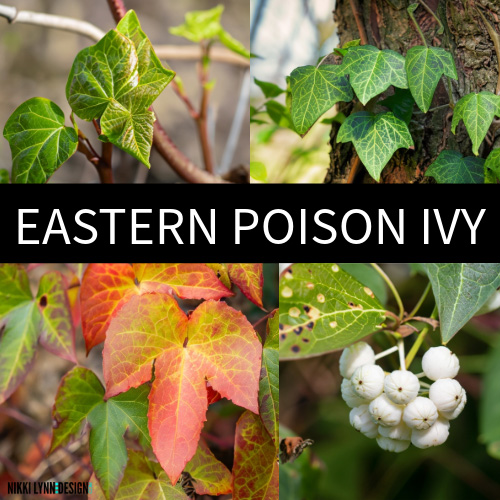
Poison Ivy in Wisconsin: How to Spot and Avoid It Poison ivy (Toxicodendron radicans) is a common hazard for foragers, hikers, and gardeners in Wisconsin. Its urushiol oil can cause itchy rashes, turning outdoor adventures into a nightmare. In this guide, I’ll break down how to identify the two types of poison ivy in Wisconsin, … Read more
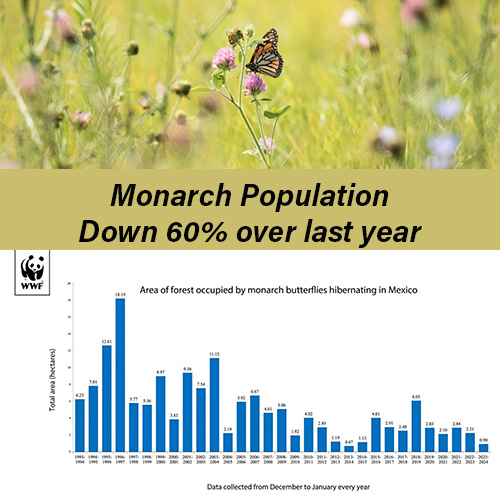
Monarch Numbers Are Down By 60%
Featherd Friends & Backyard Guests > Wildlife > Insects > Butterflies, Moths & Skippers
Each year since the 1993 – 1994 migration the World Wildlife Federation has been collecting data from December through January on the number of hectares of land that migrating monarch butterflies occupy in Mexico. This year’s monarch numbers are down by 60% from last year. So, they will need a little extra help this year re-populating.
The American Robin: Wisconsin’s Beloved Songbird
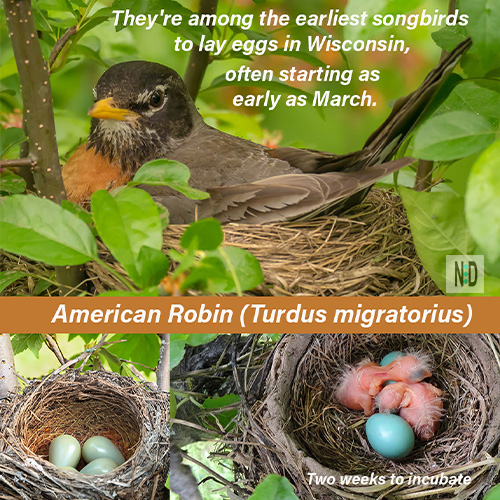
As the snow melts away and the days grow longer, Wisconsin residents eagerly await the cheerful arrival of one of nature’s most iconic heralds of spring: the American Robin: Wisconsin’s beloved songbird (Turdus migratorius). With its bright red breast and melodious song, the American Robin is a beloved symbol of the changing seasons and a familiar sight in gardens, parks, and suburban landscapes across the state.
Common Goldeneye
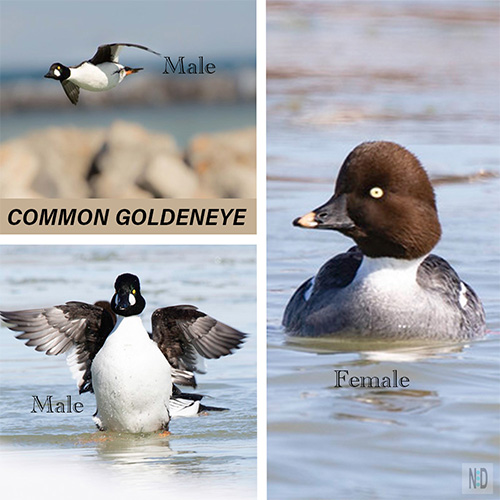
The Common Goldeneye (Bucephala clangula) is a species of diving duck commonly found in North America, Europe, and parts of Asia. Here are some key characteristics of the Common Goldeneye ducks:
3 Cool Facts About Wild Turkey
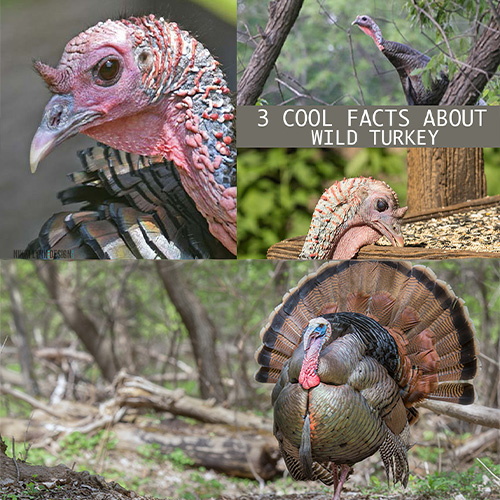
Wildlife > Birds > Galliformes 3 cool facts about wild turkey, do you know all three? Three Cool Facts About Wild Turkey 1.) They Have Nictitating Membranes A nictitating membrane is a transparent or translucent third eyelid present in some animals that can be drawn across the eye for protection and to moisten it while … Read more
American Spikenard
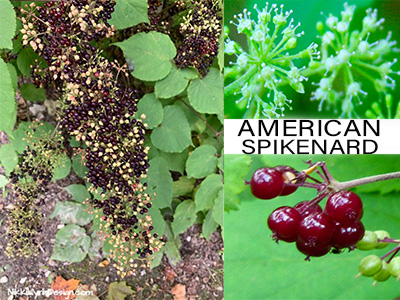
American spikenard (Aralia racemosa) is a perennial herbaceous plant native to eastern North America. It is a member of the Araliaceae family and is sometimes referred to by other names, such as Indian root, life-of-man, and osha. Spikenard typically grows to a height of 3 to 8 feet (about 1 to 2.5 meters). It has … Read more
Black-capped Chickadee
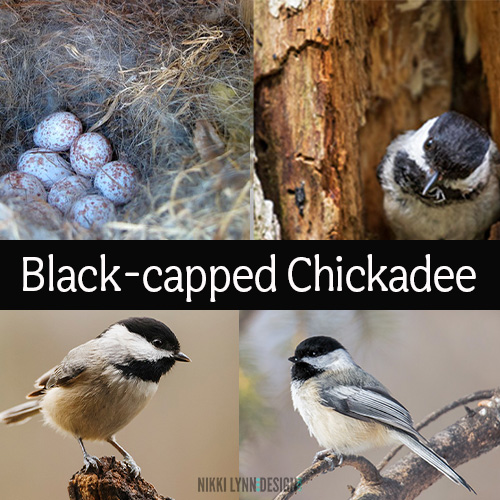
The black-capped chickadee might be one of the most recognized birds next to the Red Cardinals, Blue Jays, and Robins. The fluffy little Chickadee comes freely about dwellings even in towns and cities.
Redhead Duck
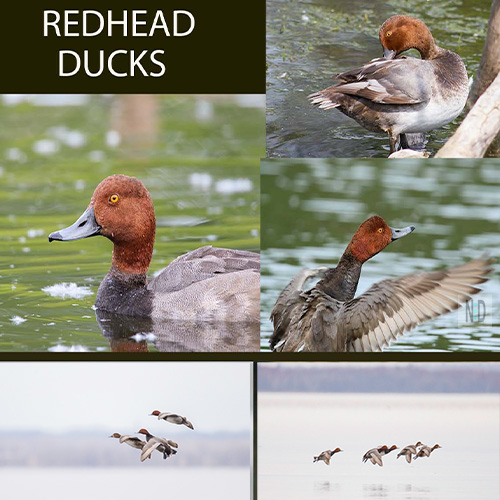
The redhead duck (Aythya americana) is a medium-sized diving duck. The duck is about 37 cm (15 in) long with an 84 cm (33 in) wingspan. The duck is a summer resident of Wisconsin.
Winter Birds
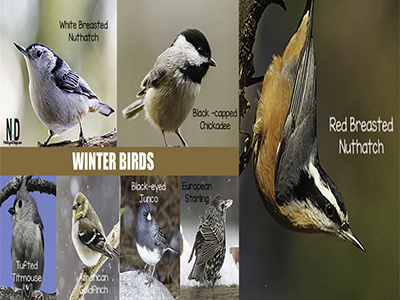
Many birds migrate in the fall to warmer climates, but we have a variety of winter birds that stick around and tough out the harsh cold, and some birds even migrate to the Midwest for the cold winter months.
Broad-winged Damselflies
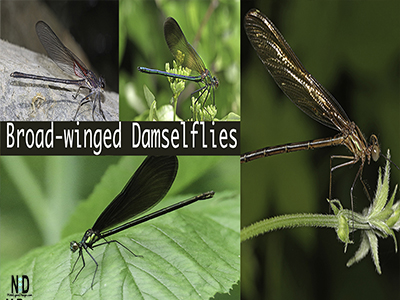
Broad-winged Damselflies
The four broad-winged damselflies (Calopterygidae) are found in Wisconsin.
Goldenrod Soldier Beetle
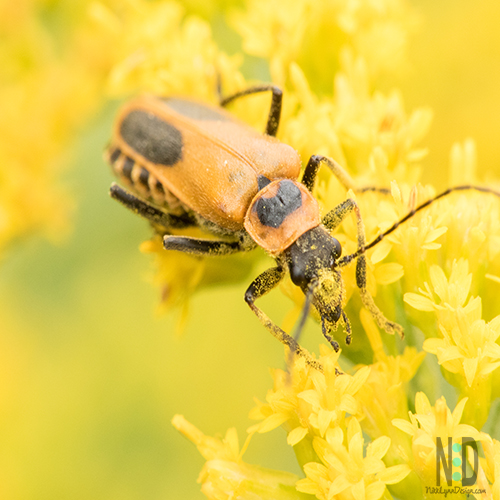
Goldenrod Soldier Beetle
Behold the dazzling charmers of the Midwest meadows – the Goldenrod Soldier Beetle! With their striking golden hues and relentless energy, these tiny warriors paint the prairies with a touch of brilliance.
Interesting Facts About Hummingbirds

Love hummingbirds? So do I! Here are some interesting facts about hummingbirds you may not know.
Milkweed Bug
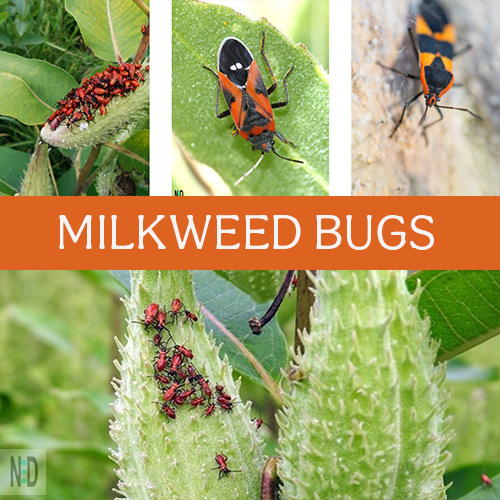
Meet the flamboyant residents of the milkweed realm – the vibrant Milkweed Bugs! Sporting a stunning red and black ensemble, these winged wonders play a crucial role in nature’s theater.
From their daring feast on milkweed seeds to their intricate life cycle, get ready to dive into the captivating world of these tiny, toxin-toting acrobats.
Join me on a journey where warning colors are a fashion statement, and milkweed becomes a feast fit for royalty!
Palm Warbler
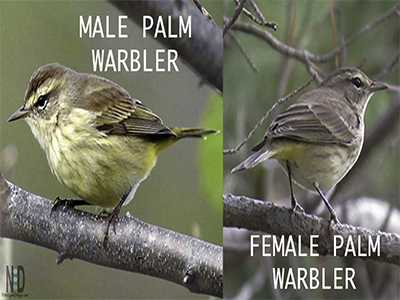
Palm Warbler birds are yellow and brown birds with rusty brown head caps that are relatively common throughout Wisconsin during the spring and fall migration. General Information Name: Palm Warbler Scientific Name: Setophaga palmarum Higher Classification: American Redstarts Size: 4.9 – 5.7 in Habitat: Open woodland edges, scrubs, commonly found low to the ground or … Read more
American Redstart
American Redstart
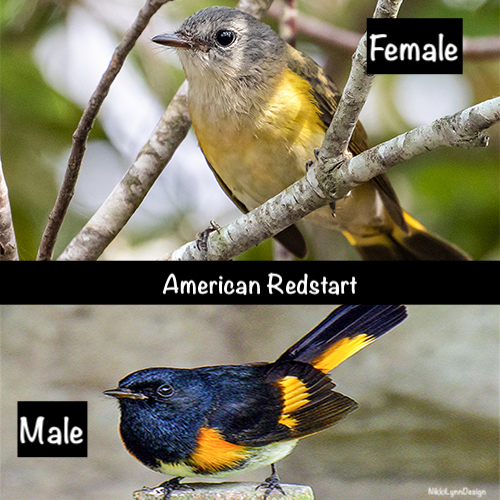
The American Redstart is a warbler that can be found traveling through Wisconsin in the spring fleeting from tree to tree. The male and female have a different appearance but both have relatively long tails for warblers.
Birds That Eat Nyjer Thistle Seed
Birds That Eat Nyjer Thistle Seed
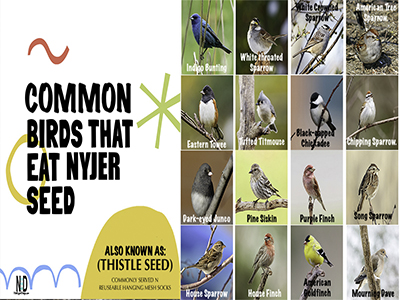
Below are some common birds that eat Nyjer thistle seed at your feeders. The listing will include pictures and identifying markings to help you ID the birds that will be attracted to the seed.
Mourning Cloak Butterfly
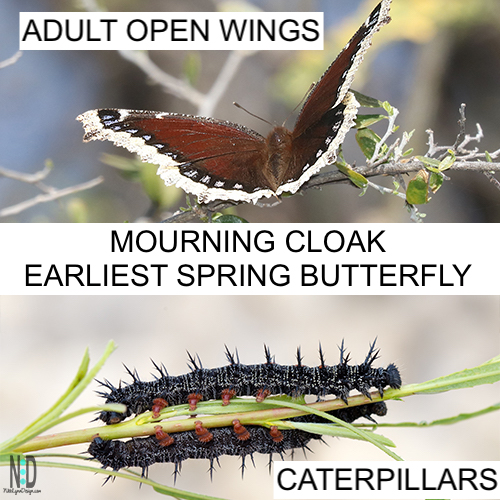
Mourning Cloak Butterfly
The mourning cloak butterfly is one of the first butterflies to be seen in spring.
Marsh Marigold
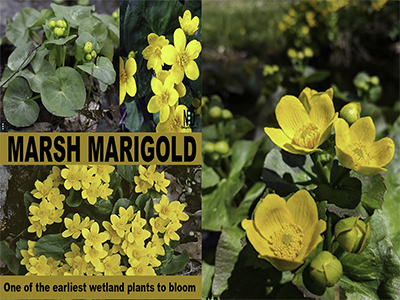
The marsh marigold is one of the earliest wetland plants to bloom after the winter snow has melted with it’s beautiful, yellow blooms that herald spring is here.