Foraging in the Midwest: Wild Edibles & Preserving the Harvest
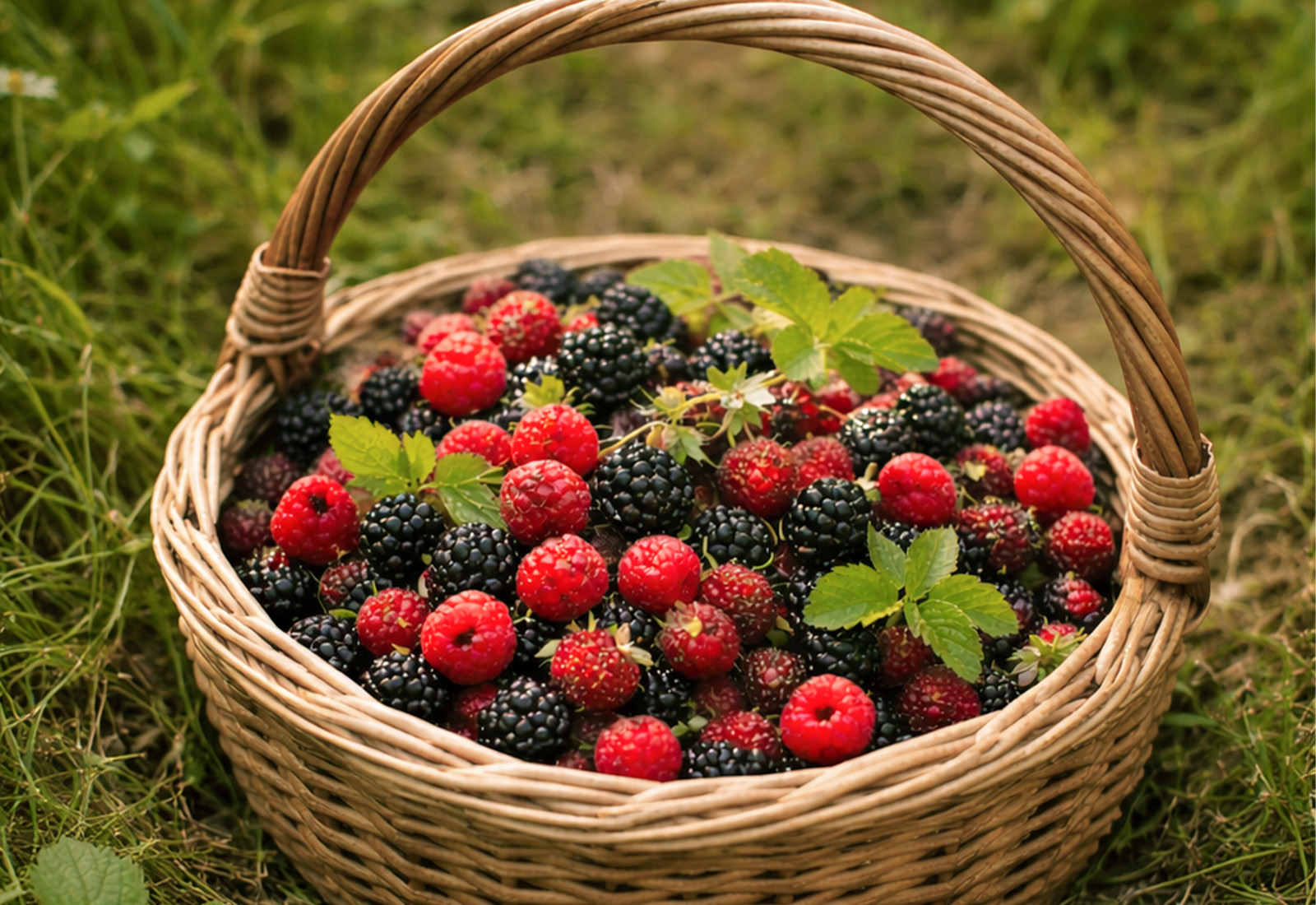
Midwest foraging is less about survival and more about noticing. It’s walking fence lines in early summer, spotting wild strawberries tucked beneath leaves, or tapping maple trees when winter begins to loosen its grip. Over the years, I’ve gathered berries, flowers, nuts, and roots across Wisconsin landscapes — sometimes for the kitchen, sometimes for the pantry shelf, and sometimes for art.
This page gathers those experiences into one place — organized by season and plant type — so you can explore what grows naturally in our Midwestern fields and forests.
Jump to: Spring · Summer · Fall · Tree & Nut · Wildcrafting · Safety
🌱 Spring Foraging in the Midwest
Spring foraging begins quietly — sap running in maple trees, early greens returning to woodland edges, and delicate flowers appearing before the forest canopy fills in.
- Maple Syrup Tapping Experience
- Plantain Weed: Identification & Uses
- Wild Strawberries in the Midwest
☀️ Summer Foraging
Summer brings abundance — berries along woodland edges, herbs in open fields, and flowers ready for oil infusions and teas.
- What Are Mulberries?
- Wild Blackberry Jam
- Harvesting Calendula for Oil
- Chamomile Tea Guide
- Natural Raspberry Dye
- Raspberry Freezer Jam
🍂 Fall Foraging
Fall is a season of deeper harvest — grapes hanging heavy on vines, elderberries darkening along riverbanks, walnuts dropping from tall trees, and mushrooms appearing beneath fallen leaves.
- Grape Jelly from Wild Grapes
- Elderberry Syrup Recipe
- Elderberry Ink for Art
- Black Walnut Ink
- Midwest Mushroom Foraging Guide
🌰 Tree & Nut Foraging
Midwestern trees offer more than shade — from maple sap in early spring to black walnuts in autumn. Tree foraging connects seasonal rhythm with long-standing traditions.
🎨 Wildcrafting & Preserving the Harvest
Foraging doesn’t always end in the kitchen. Many plants are dried, infused, pressed, or transformed into natural dyes and inks. Preserving the harvest extends the season beyond the field.
- How to Dry Herbs and Flowers (5 Methods)
- Natural Raspberry Dye
- Elderberry Ink
- Black Walnut Ink
- DIY Flower Press
- Lavender and Wild Violet Bath Salt
- Juniper Branch & Berry Cleaner
Foraging Safely & Responsibly
Always positively identify plants before consuming or using them. Harvest sustainably, respect private property, and consult trusted field guides or local experts when in doubt.
If you’re new here, start with one season and one plant. Midwest foraging is a practice of attention — learned slowly, year by year, and always with respect for the land.