
Hello, dear readers! Picture this: It’s a crisp late-summer afternoon, the sun filtering through the canopy of ancient oaks, and the air filled with the sweet, tangy scent of ripe wild grapes dangling like hidden jewels along a winding trail.
Foraging
Foraging in the Midwest centers on identifying, gathering, and seasonally harvesting wild edibles, berries, trees, mushrooms, and useful plants found in fields, forests, and along woodland edges.
These posts document hands-on experiences across Wisconsin landscapes — from maple tapping and berry picking to learning how plants grow and when they are ready to harvest.
Uncovering the Magic of Plantain Weed: A Backyard Treasure

Hey there, nature lovers! Today, I’m thrilled to share a little story about a humble, often overlooked plant that’s been a quiet hero in my life—plantain weed. Not to be confused with the banana-like fruit, this little green gem is a common backyard “weed” with a surprising amount of charm and usefulness. So, grab a cozy cup of tea, and let’s wander into the world of plantain together.
A Complete Guide to Foraging Common Elderberry: What You Need To Know
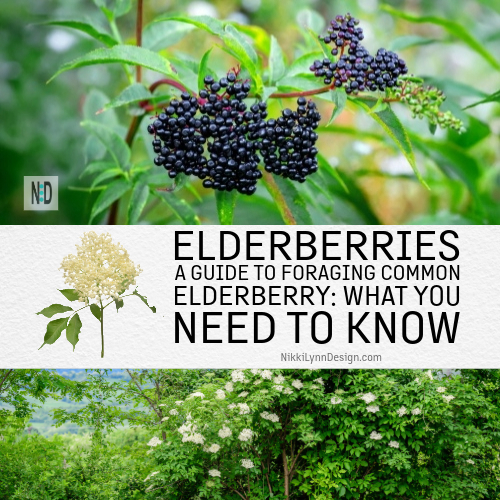
Foraging for common elderberry (Sambucus nigra), also known as black elderberry, is a rewarding way to connect with nature and enjoy its edible bounty. Elderberries and their flowers are prized for culinary uses like syrups, jams, teas, and wines, but foraging requires careful identification and preparation to ensure safety. In this guide, we’ll cover everything you need to know about foraging common elderberry, including identification tips, harvesting techniques, safety precautions, and practical uses. Whether you’re a seasoned forager or a beginner, this post will help you confidently find and use elderberries.
Poison Ivy in Wisconsin: How to Spot and Avoid It
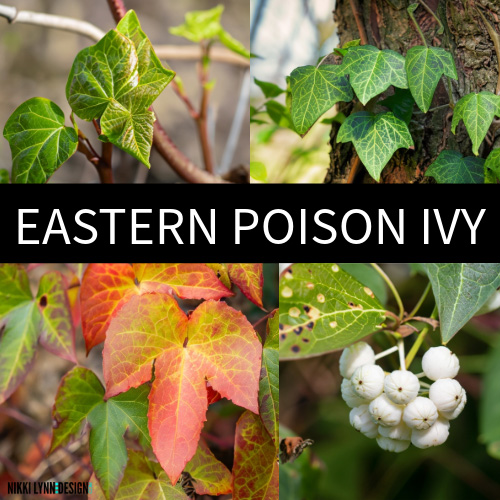
Poison Ivy in Wisconsin: How to Spot and Avoid It Poison ivy (Toxicodendron radicans) is a common hazard for foragers, hikers, and gardeners in Wisconsin. Its urushiol oil can cause itchy rashes, turning outdoor adventures into a nightmare. In this guide, I’ll break down how to identify the two types of poison ivy in Wisconsin, … Read more
Black Walnut Ink: Craft Rich, Natural Ink From Foraged Nuts

Junk Journal / Scrapbooking > Foraging, Recipes & Art
Creating black walnut ink for drawing or journaling is a fun and eco-friendly way to explore artistic expression.
Elderberry Ink: Turn Nature’s Berries Into Stunning Art Supplies
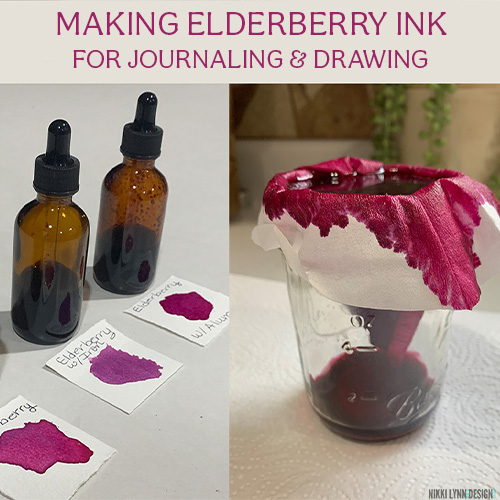
Making elderberry ink can be a do-it-yourself project. The process involves collecting ripe elderberries, extracting their juice, and combining it with a binder and other ingredients. The ink is then strained and bottled for use.
Elderberry Syrup Recipe and Jar Labels
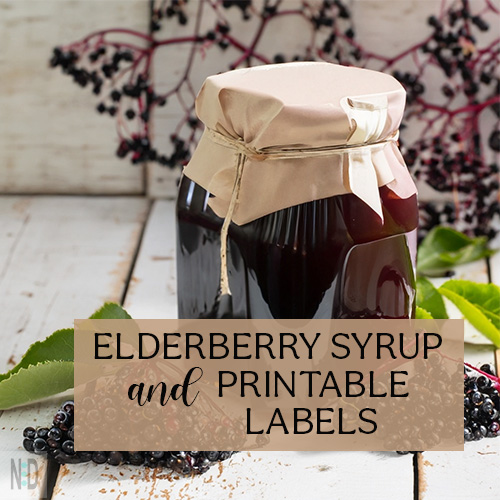
The cold of winter has set in and there has already been plenty of nasty bugs floating around. I’ve seemed to have found a viral sinus infection bug that I can’t seem to kick. It was time to stop procrastinating and mix up a batch of elderberry syrup. I have included the elderberry syrup recipe and jar labels that I used to create one of nature’s immunity boosters.
Wild Blackberry Jam: A Sweet and Simple Recipe
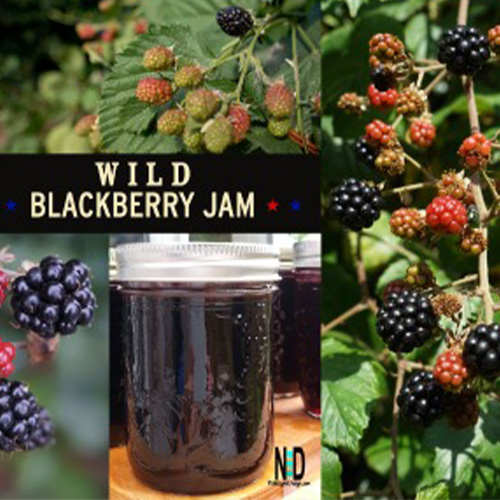
Summer is for berry picking and wild blackberry jam is delicious. We spend a great deal of time out on our UTV enjoying the woodland areas and foraging for wild berries.
Wild Violet Lavender Bath Salts: Blossom-Infused Bliss
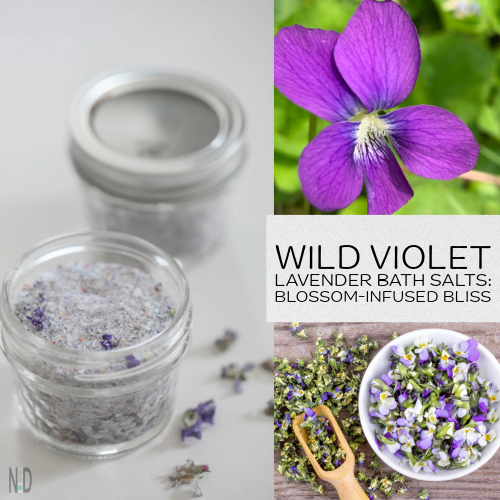
There’s something magical about sinking into a warm bath, surrounded by the gentle scent of lavender and the delicate charm of wild violets. These wild violet lavender bath salts are a breeze to make, fill your bathroom with a calming aroma, and make heartfelt, homemade gifts for friends and family. Join me in this simple DIY project celebrating nature’s beauty and the joy of creating something special.
DIY Flower Press: Preserve Nature’s Beauty
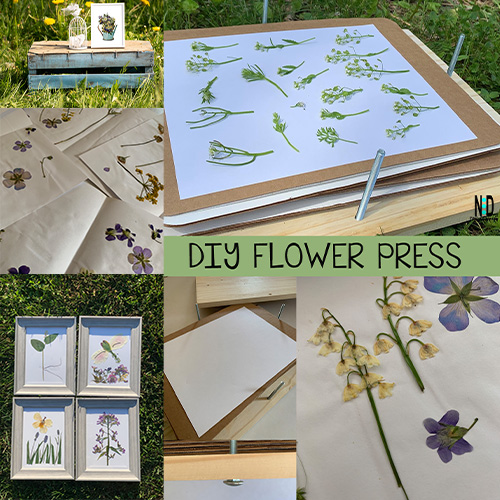
Over the summer I created an Adobe project, where I shared pictures detailing my newfound hobby of pressing flowers with the public. I had a link that went to the DIY flower press instructions on my Smugmug account. Someone recently reached out and mentioned the link was set to private. Yep, it is. Sorry about … Read more
American Spikenard
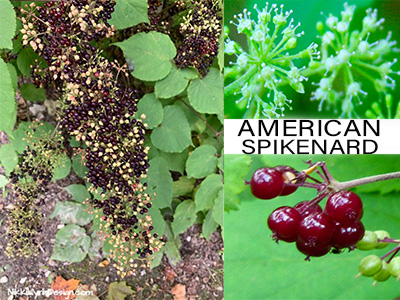
American spikenard (Aralia racemosa) is a perennial herbaceous plant native to eastern North America. It is a member of the Araliaceae family and is sometimes referred to by other names, such as Indian root, life-of-man, and osha. Spikenard typically grows to a height of 3 to 8 feet (about 1 to 2.5 meters). It has … Read more
DIY Lavender Fabric and Linen Spray
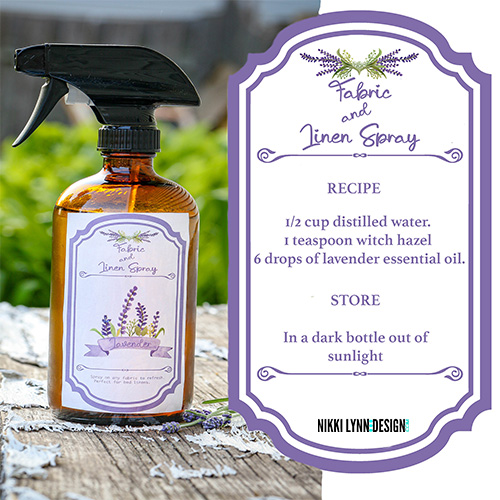
Lavender is a scent that reminds me of summer. If you grow lavender in your flower garden and sit outside, that heavenly scent will drift in and out of your seating area. I find the scent of lavender to be calming, and there is scientific evidence to back that claim up, which is why I make up a batch of my DIY lavender fabric and linen spray and use it often.
Harvesting Sunshine: My Journey with Calendula Oil
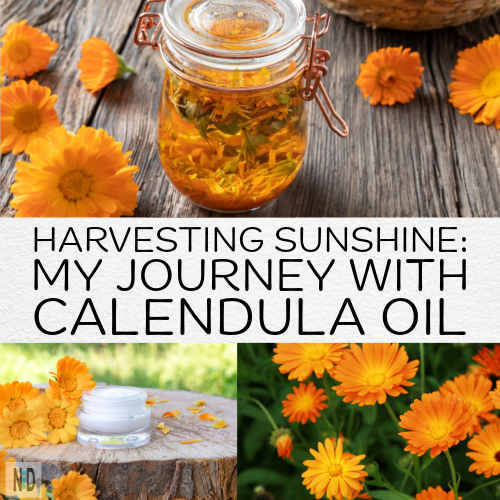
There’s something magical about a summer morning when the garden wakes up with dew-kissed petals and a gentle hum of bees. On days like this one in late July, I step outside with a mug of tea in hand, drawn to the bright orange blooms of Calendula officinalis nodding in the breeze.
It’s a plant that has woven itself into my own story of simple kitchen experiments and natural remedies, turning ordinary olive oil into a golden elixir. Whether you’re a seasoned gardener or just starting out, let’s explore how to make Calendula oil, straight from my sunny windowsill to yours..
Marsh Marigold
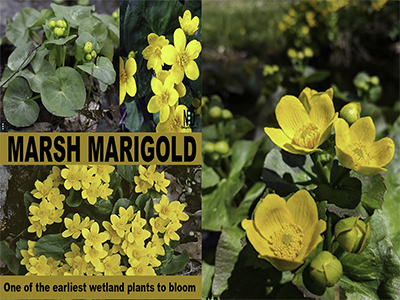
The marsh marigold is one of the earliest wetland plants to bloom after the winter snow has melted with it’s beautiful, yellow blooms that herald spring is here.
White Baneberry Dolls Eyes
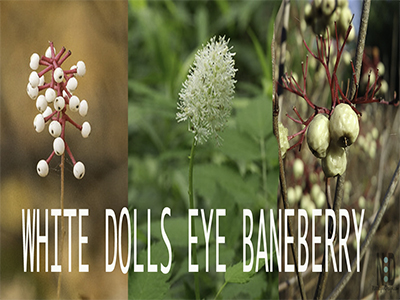
White baneberry dolls eyes begins its life with fuzzy white flowers on a green stem and later develop white berries with a black dot in the middle.
White Campion
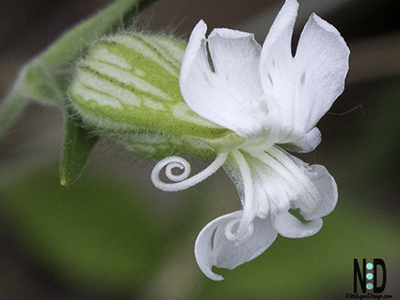
White campion is a weed, and not a wildflower. It grows in most open habitats, particularly wasteland and fields, most commonly on neutral to alkaline soils.
Invasive Cow Vetch
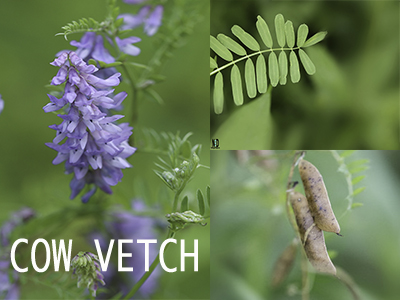
Invasive Cow Vetch
Cow vetch is widely used as a forage crop for cattle and is beneficial to other plants because, like other leguminous plants, it enriches the soil in which it grows by its nitrogen-fixing properties. Although, it is considered an invasive plant in many areas.
Mayapple Wildflower
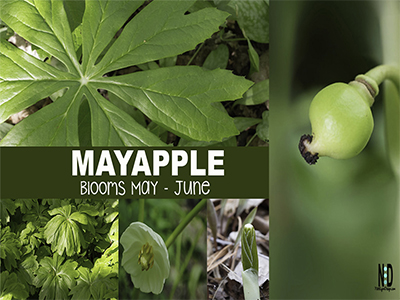
Mayapple
The mayapple plant’s scientific name is Podophyllum peltatum and is part of my running Wisconsin wildflower collection. The mayapple wildflower in Wisconsin was found on one of my walks through the Wisconsin woodland areas.