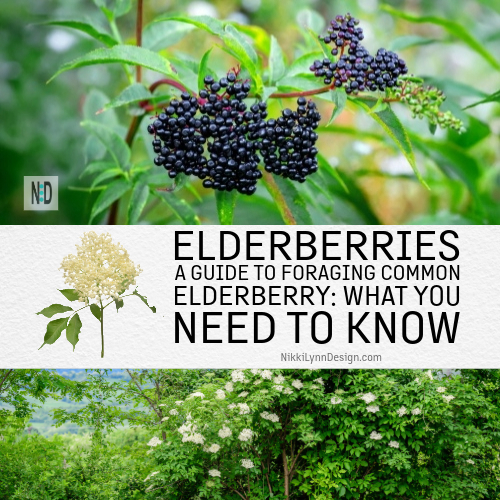
Foraging for common elderberry (Sambucus nigra), also known as black elderberry, is a rewarding way to connect with nature and enjoy its edible bounty. Elderberries and their flowers are prized for culinary uses like syrups, jams, teas, and wines, but foraging requires careful identification and preparation to ensure safety. In this guide, we’ll cover everything you need to know about foraging common elderberry, including identification tips, harvesting techniques, safety precautions, and practical uses. Whether you’re a seasoned forager or a beginner, this post will help you confidently find and use elderberries.
Wildflowers & Weeds
The Wildflowers and Weeds category explores Midwest wild plants found in fields, forests, wetlands, and along quiet country roads. These plants grow naturally in prairies, marshes, bogs, and woodland edges throughout Wisconsin and surrounding states.
Each post focuses on identification, habitat, bloom timing, and seasonal changes. Learn how wildflowers and so-called weeds support pollinators, provide wildlife habitat, and shape local ecosystems.
This space highlights native species, common roadside plants, and overlooked wild growth that plays an important role in nature.
Note: I do not provide medical advice. Any mention of historical plant uses is shared for educational purposes only and reflects traditional practices.
WEEDS & WILDFLOWERS BY MONTH:
MAR / APRIL / MAY / JUNE / JULY / AUG / SEPT
Poison Ivy in Wisconsin: How to Spot and Avoid It
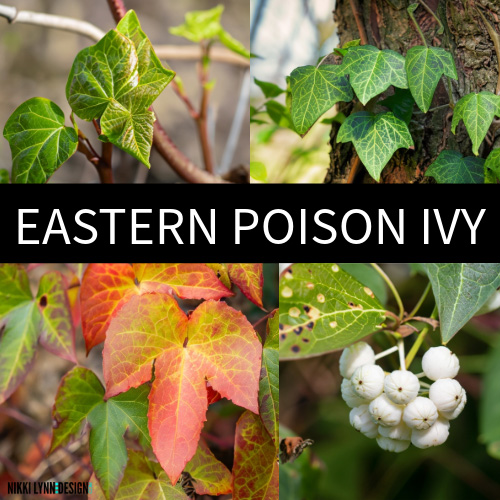
Poison Ivy in Wisconsin: How to Spot and Avoid It Poison ivy (Toxicodendron radicans) is a common hazard for foragers, hikers, and gardeners in Wisconsin. Its urushiol oil can cause itchy rashes, turning outdoor adventures into a nightmare. In this guide, I’ll break down how to identify the two types of poison ivy in Wisconsin, … Read more
American Spikenard
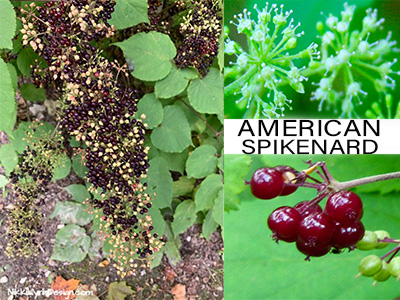
American spikenard (Aralia racemosa) is a perennial herbaceous plant native to eastern North America. It is a member of the Araliaceae family and is sometimes referred to by other names, such as Indian root, life-of-man, and osha. Spikenard typically grows to a height of 3 to 8 feet (about 1 to 2.5 meters). It has … Read more
Marsh Marigold
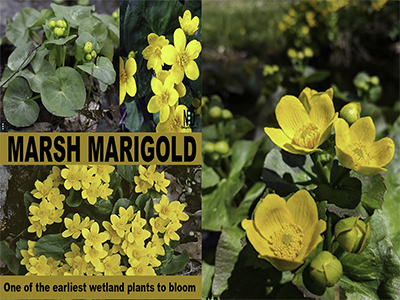
The marsh marigold is one of the earliest wetland plants to bloom after the winter snow has melted with it’s beautiful, yellow blooms that herald spring is here.
White Baneberry Dolls Eyes
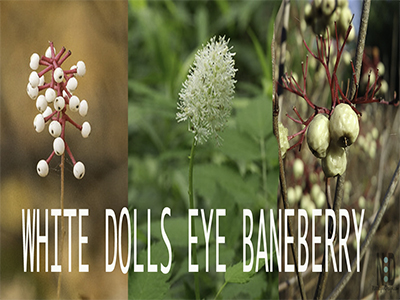
White baneberry dolls eyes begins its life with fuzzy white flowers on a green stem and later develop white berries with a black dot in the middle.
White Campion
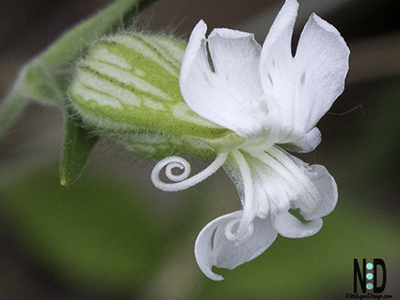
White campion is a weed, and not a wildflower. It grows in most open habitats, particularly wasteland and fields, most commonly on neutral to alkaline soils.
Invasive Cow Vetch
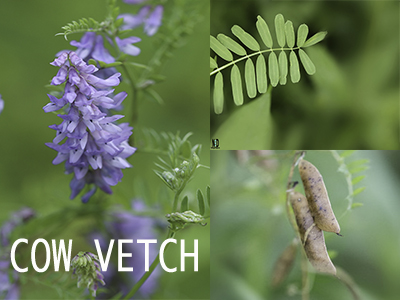
Invasive Cow Vetch
Cow vetch is widely used as a forage crop for cattle and is beneficial to other plants because, like other leguminous plants, it enriches the soil in which it grows by its nitrogen-fixing properties. Although, it is considered an invasive plant in many areas.
Mayapple Wildflower
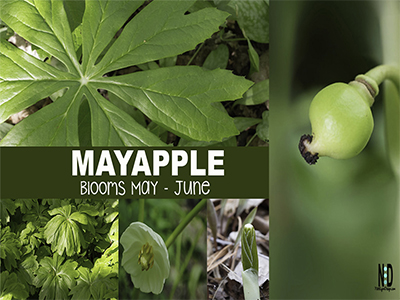
Mayapple
The mayapple plant’s scientific name is Podophyllum peltatum and is part of my running Wisconsin wildflower collection. The mayapple wildflower in Wisconsin was found on one of my walks through the Wisconsin woodland areas.
Wisconsin Wildflowers and Invasives
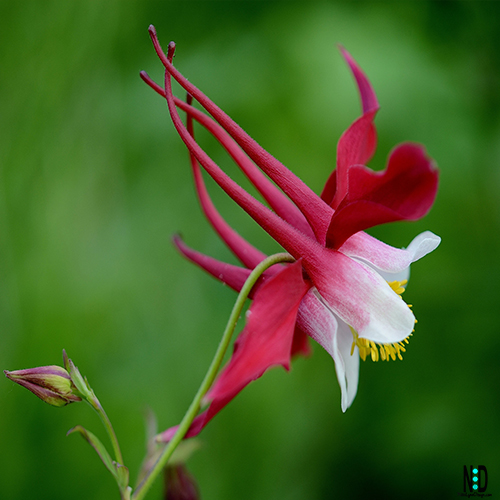
Wisconsin Wildflowers and Invasives
Wisconsin wildflowers and invasives. Most of the photographs were taken while on walks along paths and through the woods. Well, at least I tell everyone I’m going for a walk. Really, I’m just exploring my options for photographing. Shhh! Don’t tell.
Dune Thistle Flower
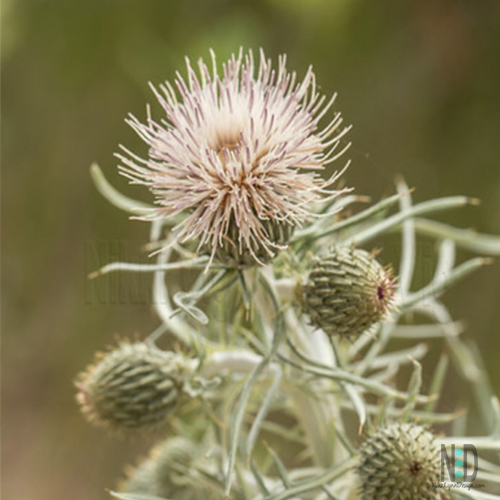
Dune Thistle Flower Known As: Dune Thistle Scientific Name: Cirsium Pitcheri Wisconsin Status: Threatened Federal Status: Threatened This thistle is so rare that it is listed both by the State of Wisconsin and by the federal government as “threatened.” Its habitat, the Great Lakes dunes that are also threatened. I Find Them While Hiking Here: … Read more
Spiderwort
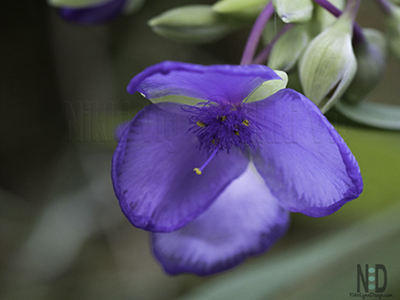
Virginia Spiderwort
The three-petaled Virginia spiderwort wildflowers are usually blue to a variety of purples, but may also be pink, white, or red.
Jack in the Pulpit
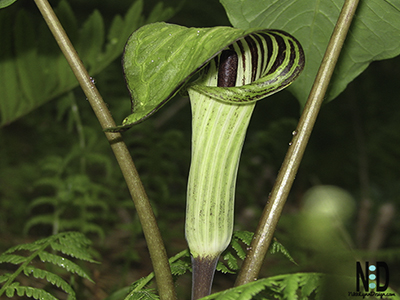
Jack in the Pulpit
A common woodland plant that produces purple-spotted and striped leaves in the spring (April–June).
Early MeadowRue
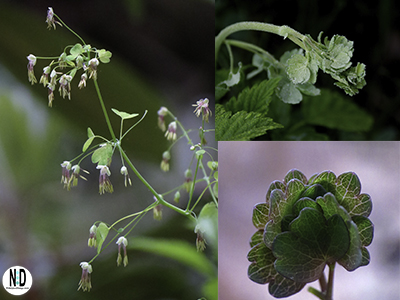
Early MeadowRue Early Meadowrue is generally found in places that have not been disturbed by human interaction. General Information A perennial, native wildflower. The stems are a light purple color and the flowers are bell-shaped and produce yellow hanging flowers Genus: Thalictrum dioicum Family: Ranunculaceae (Buttercup) Life cycle: Perennial Origin: Native Habitat: Shaded woodlands, forests Bloom season: April, … Read more
Trout Lily
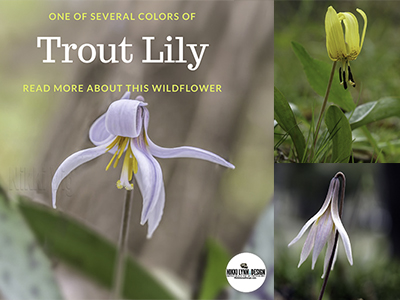
Trout Lily
The woods are blooming full of trout lily in Wisconsin. I have been lucky to track down the White Trout variety(Erythronium albidum) and the Yellow variety (Erythronium americanum).
Wild Strawberry : Nature’s Tiny Red Gems
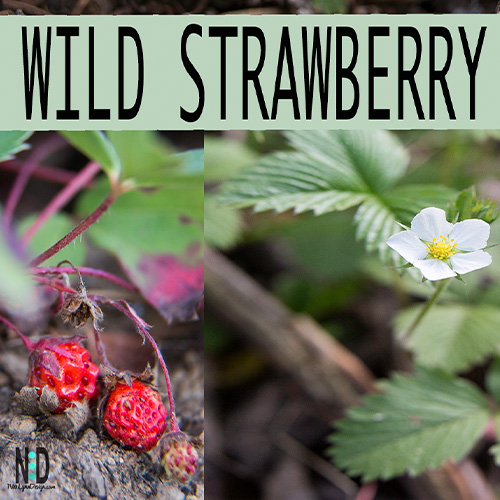
The Wild Strawberry is common in open places in woods, on grassy slopes, and in similar situations. It flowers in April and May, and the fruit ripens in June and July.
Snowdrop Flowers
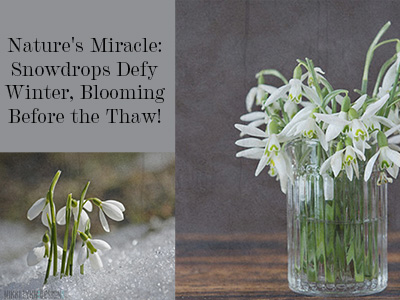
I’ve heard people state snowdrop flowers are wildflowers. It is true, that some grow in the wild in meadows and woodland areas. Can’t argue with you on this fact. I find them all the time. I just have never found a source that states they are true wildflowers.
Forget Me Not Wildflower
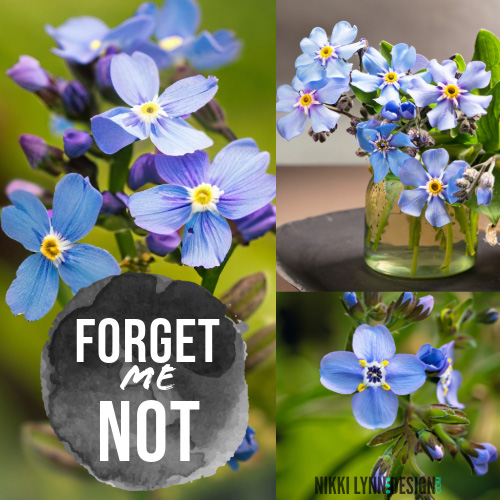
Forget Me Not Wildflower
In the grand tapestry of wildflowers that adorn our landscapes, few hold the same sentimental significance as the humble forget-me-not wildflower.
All Mushrooms Are Edible, But Some Only Once: A Midwest Foraging Guide
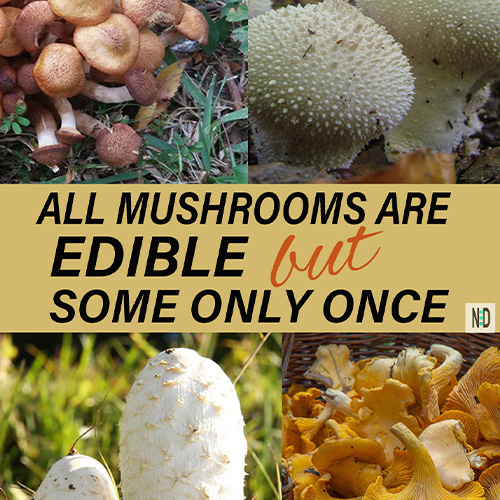
All Mushrooms Are Edible, Or Are They?
All mushrooms are edible, but some only once—or so the saying goes! This witty warning reminds us that while the Midwest woods are bursting with edible fungi, safe foraging requires careful identification. Join me on a rainy Wisconsin adventure where I uncover the secrets of mushroom foraging—and learn why caution is key!