Belgian Brick by Brick
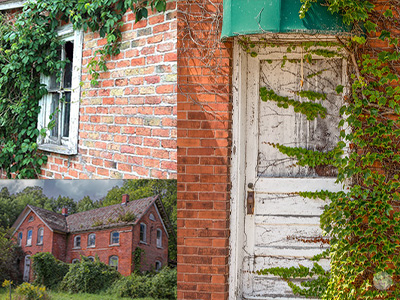
As part of my heritage, I have found great pleasure in asking questions and seeking properties that still house some of the first settlers homes. I was on my way to Sugar Creek last week and decided to reshoot this old Belgian brick home and outbuilding.

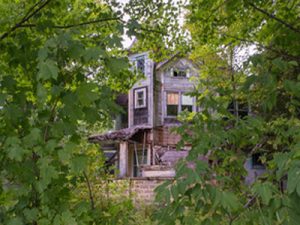
One of the First Belgian Brick House in Brussels, Wisconsin
This house is one of the first Belgian brick houses built in Brussels, WI. I was admiring the home from the road and set up my camera tripod when I heard a vehicle coming up behind me rather quickly. When I turned around to see this truck aimed for me and I knew exactly what would come next. I moved to the shoulder of the homes grass. Keeping a safe distance between myself and the roadway.

Sometimes You Attract Attention
The truck was now aiming directly toward the shoulder of the road I was standing on, so I knew I was correct in my assumption that I had gained some unwanted and possibly negative attention. A man in his late 30’s to mid-forties if I’d have to guess on his age asked what my business was with this house in a very stern voice. In a direct, but cordial tone, I replied taking pictures of this old Belgian brick home – are you the owner of this fine property? I explained that I wasn’t on the property and didn’t intend on trespassing.
From this point on, the man took a different and friendly tone. Even thanked me for respecting private property.
We spent about ten minutes talking and I relayed that much of my family grew up in the area and that the house I was photographing was unique because the bricks were formed by a firing kiln operation that once stood in Brussels.

The Bricks Were Unique
Many of the old buildings in the area used the bricks. The bricks and form wouldn’t be found outside of a Belgian community. If you need replacements you would have to search for someone demoing a building. He confirmed what I had been told about the brick, this is exactly what he had to do for his own Belgian brick replacements for his own home.

I’d Love to See the Inside of the Home Someday
I found out his father owned the home and grew up in it and lived just down the road. His son, who I was speaking with owned another Belgian brick home in the area. At some point, I would like to stop in and chat with the owner of this home. He must know some of my relatives and maybe, I could even get permission to walk the land and get additional information.

A Little Dry Humor
Someday, I’d love to be able to create a blog post and title it history, heritage and houses. AND, why does that bring on my Howard Cosell voice? —-> “AND now, you know the rest of the story.” For those that haven’t a clue who he was, a radio personality my great-grandparents listened to and I still remember his voice, his broadcasts always concluded with the tag line “And now you know the rest of the story.”
Belgian Roadside Chapels
One of the big draws that I enjoy searching out in the area is roadside chapels. The Belgian settlers built small roadside chapels usually dedicated to a Saint in Brown, Door and Kewaunee counties in Wisconsin.

Why Are Chapels Built?
The chapels were built in honor of something giving a thanksgiving offering or to help aid a sick relative.

Old & New They Are Still Being Built
The building started to pop up along the country roads on private properties during the mid-1850s. The old chapels are still used today. Many are still being built.

Some of the chapels are open to visitors at any time. Others are locked, but tell you how they can be entered. If you get a chance to visit the areas of Namur and Brussels, Wisconsin be on the lookout for these fine buildings.
A Country Drive Yields Plenty of History

Cheese Factories, Old School Houses, Barns & Farmhouses
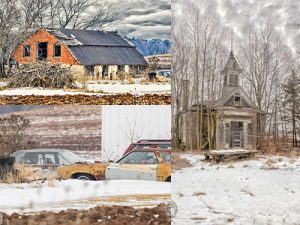
Old Belgian stonework makes up the outside of this outbuilding in Southern Door County.
I was told by the locals it served as a cheese factory and store back in the day. The counties had small community cheese factories.

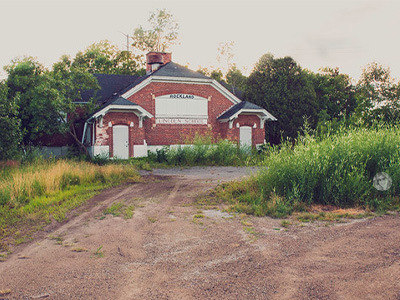
District Number 8 Schoolhouse
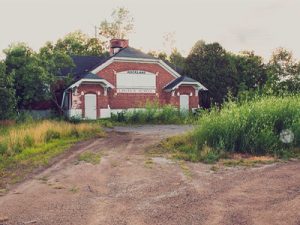
District number 8 brick schoolhouse pictured above was built in 1901 and housed many grades from the Southern Door, Wisconsin area.

A barn in the middle of a Wisconsin straw field. Belgian communities were mainly built on farming, family and faith.
Strange Foods with Strange Names
We eat strange foods, with even stranger names like: Booyah, trippe, jutt and Belgian pie.

Belgian waffles were always a staple on my grandmother’s breakfast table. Buy some waffles by clicking on this picture or click on my link below to get my grandma’s recipe.


If you want to see additional pictures from the land the house above sits on, see this post.
Sharing the Faith
The early Belgian settlers had a strong Catholic faith. They built a few churches in the area. Like St Francis below.

The Shrine of Our Lady of Good Help
One place that I had the pleasure of visiting with my grandma yearly was, the Shrine of Our Lady of Good Help. I still carry out this tradition, today. Just for her!

Little History on The Shrine of Our Lady of Good Help
The Virgin Mary is said to have appeared to a young Belgian woman, Adele Brice. Sister Adele devoted her life to teaching children and inspiring the Belgian settlement.
The Shrine of Our Lady of Good Help was built in 1859 as a place for all who seek help and healing through the prayers of the Blessed Virgin Mary. Whether you are Catholic or not; whether you believe, or are still searching for faith, you are welcome at the chapel.
Additional Awesome Facts
The following companies or organizations were founded by people from the early Belgian immigrant families. Bellin Health System, Super Value wholesale grocery and The Green Bay Packers.
Thank You For Allow Me To Share
Thanks for taggin’ along and allowing me to share a little of my heritage with you! If you found this interesting, then read this post. It is a church in the area with some strange history but after my visit – I wanted to share.
Additional Places Within an Hour
Cave Point County Park
Anderson Dock
Wequiock Falls Green Bay